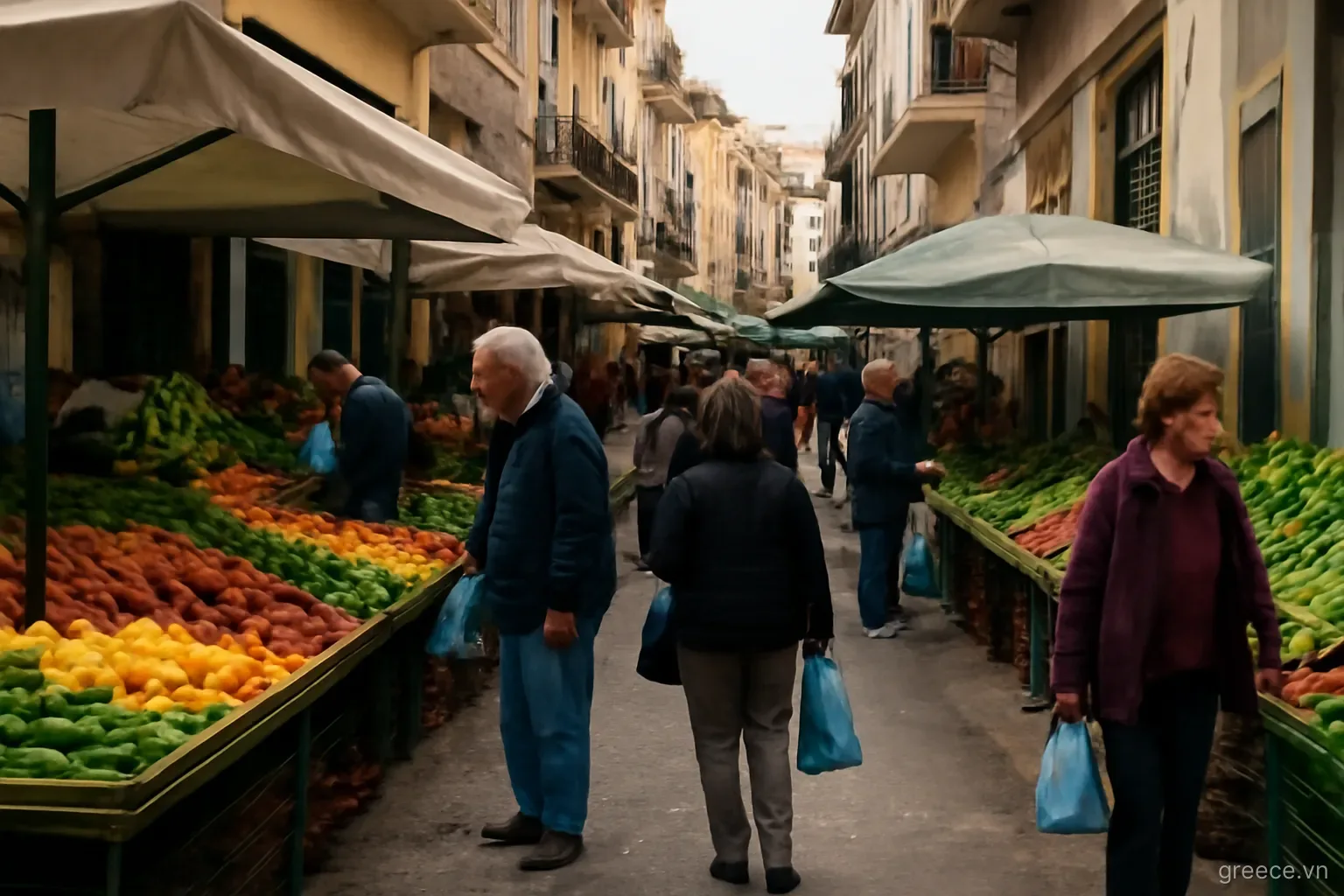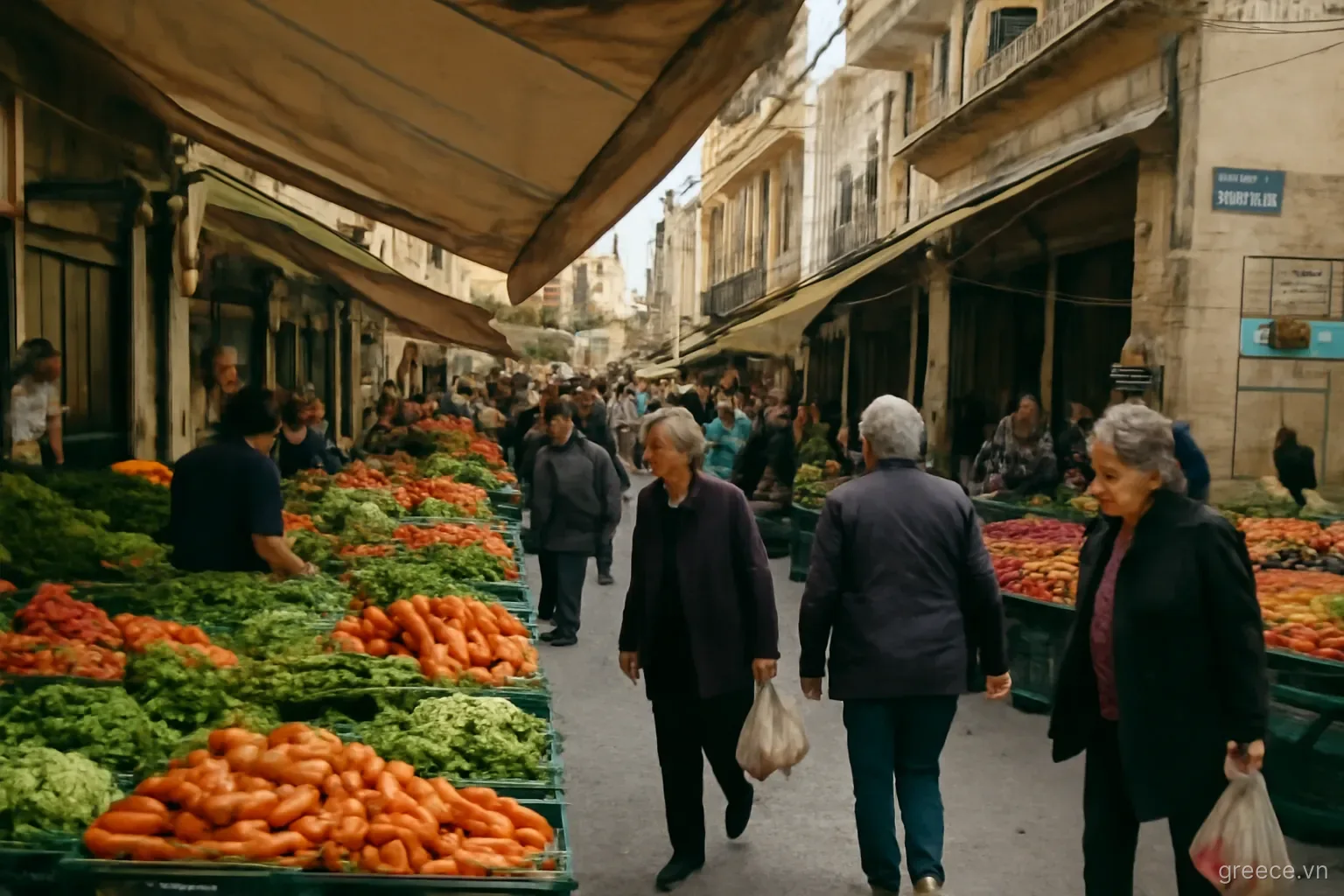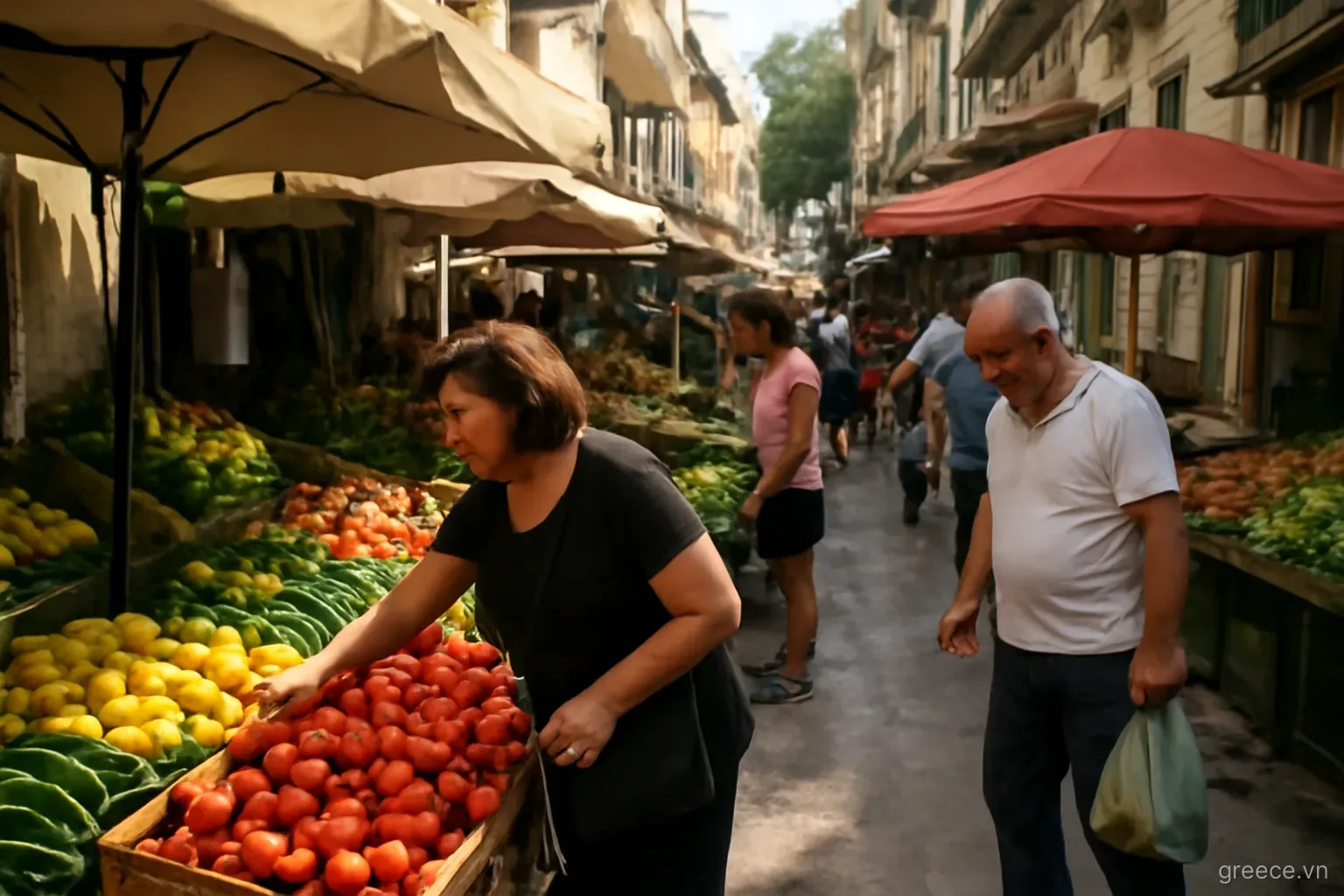
Cost of living is decisive when considering a move to Greece.
- Tourism contributes a sizeable share of GDP, welcoming tens of millions of visitors yearly.
- After the 2010s debt crisis, the economy has recovered and returned to growth.
- Property, especially in Athens, has rebounded strongly on Golden Visa demand and tourism.
The cost of living in Greece is among the most comfortable in the EU.
Rents outside central Athens are often softer than in many Western European cities.
Housing and utilities
The public health system (ESY) serves residents, though many add private insurance.
Residence holders must register a tax number (AFM) and a social-security number.
Public transport in Athens includes a convenient metro, buses and trams.
Food and transport
Fresh food, sunny weather and a relaxed pace are big pluses.
The Vietnamese community is small but present in Athens.
Opening a bank account requires a passport, tax number and residence documents.
Education and healthcare
Summers can be very hot, so choose a home with air-conditioning and near the sea if possible.
- A European Union member since 1981 and part of the eurozone, Greece uses the euro (EUR).
- Greece belongs to the Schengen Area, allowing free movement across much of Europe.
- Its coastline stretches about 13,600 km, among the longest in the world.
- Greece lies in Southeastern Europe at the southern tip of the Balkan Peninsula on the Mediterranean.
- The capital, Athens, is the political and economic hub and the birthplace of Western democracy.
Leisure and extras
Greece has a population of about 10.4 million, most following Greek Orthodox Christianity.
The official language is Greek, while English is widely spoken in tourism and larger cities.
Greece counts more than 6,000 islands and islets, of which roughly 200 are inhabited.
A reference budget
It has a Mediterranean climate with hot, dry summers and mild, sunny winters.
Greece's economy leans on tourism, shipping and agriculture.
Greece owns one of the world's largest merchant fleets by tonnage.
Need a tailored roadmap?
Viking Global Group walks with you from paperwork to settlement. Call +849.219.219.88 or email [email protected] for a free consultation.
Related articles
- Greece at a glance: location, population and key figures
- Greece investment residency: latest requirements and benefits
- Living Guide
Frequently asked questions
What are the main living costs in Greece?
Rent, utilities including heating in winter and air conditioning in summer, internet and phone, food, transport, health insurance, school fees for private education and leisure. Rent is typically the largest expense, especially in Athens and on tourist islands.
Why is a single monthly figure misleading?
Costs vary greatly between Athens, Thessaloniki, smaller towns and islands, between singles and families, and with lifestyle choices. Rents and energy prices also fluctuate. Building your own budget for your city and habits is far more reliable.
How do costs differ between Athens and smaller towns?
Athens has higher rents, especially centrally and near the coast, but more jobs and services. Smaller towns and rural areas offer cheaper housing and a slower pace, with fewer international services and job opportunities. Location has the biggest effect on the budget.
How can residents reduce living costs?
Shop at weekly farmers' markets, cook at home, use public transport, choose housing slightly outside prime areas, manage energy use carefully and take advantage of discounts for students and seniors. Living like locals usually saves a significant amount.
How can I estimate costs before moving?
Check rental listings on reputable platforms, ask expatriate communities in your target city, review the minimum income levels required for residence permits and, if possible, spend a short trial period recording actual expenses.
Information is for reference and may change under the latest official policy. Please contact us for current regulations.