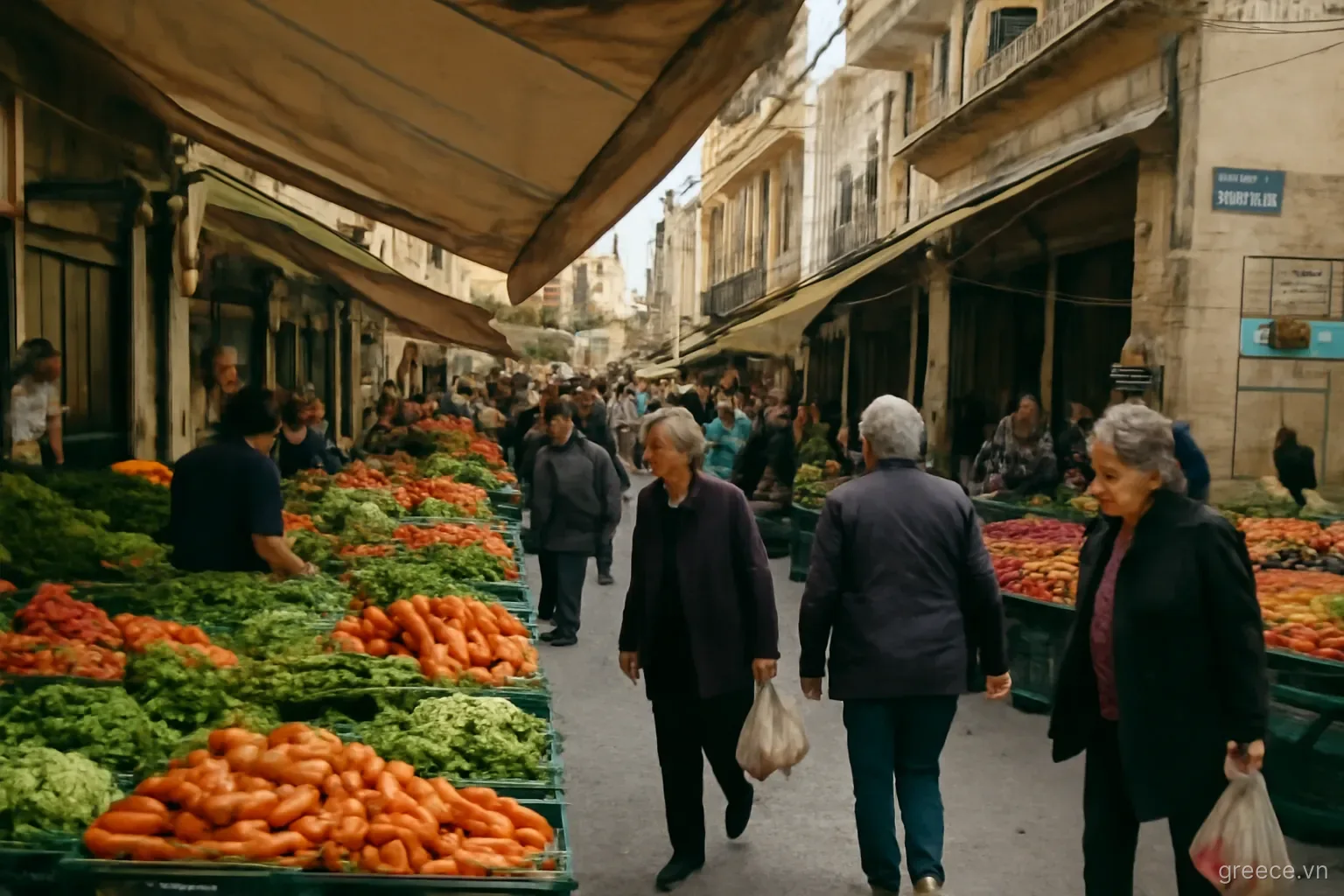
Every country has quirks; here are a few about Greece that may surprise you.
- Its coastline stretches about 13,600 km, among the longest in the world.
- Greece lies in Southeastern Europe at the southern tip of the Balkan Peninsula on the Mediterranean.
- The capital, Athens, is the political and economic hub and the birthplace of Western democracy.
Public transport in Athens includes a convenient metro, buses and trams.
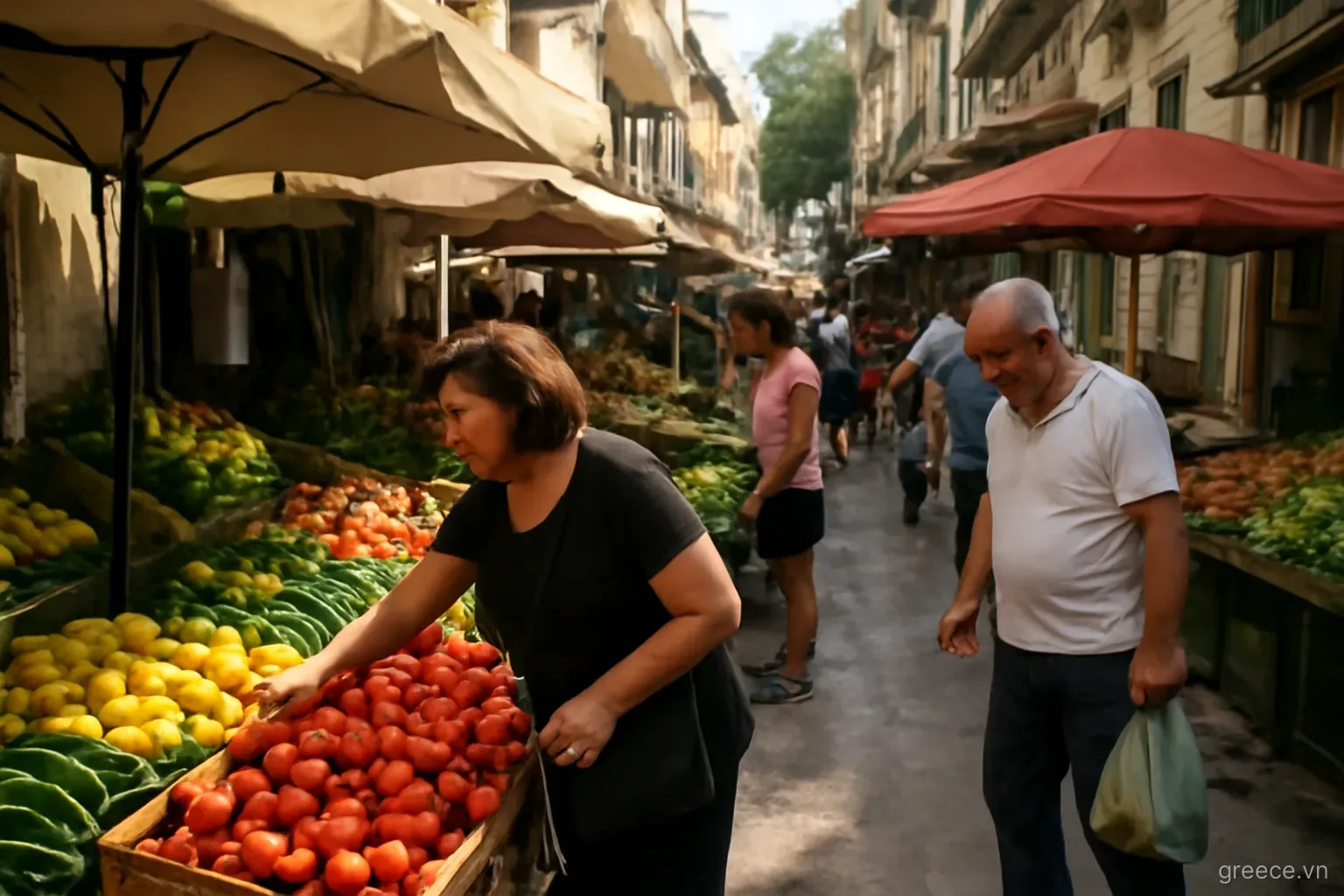
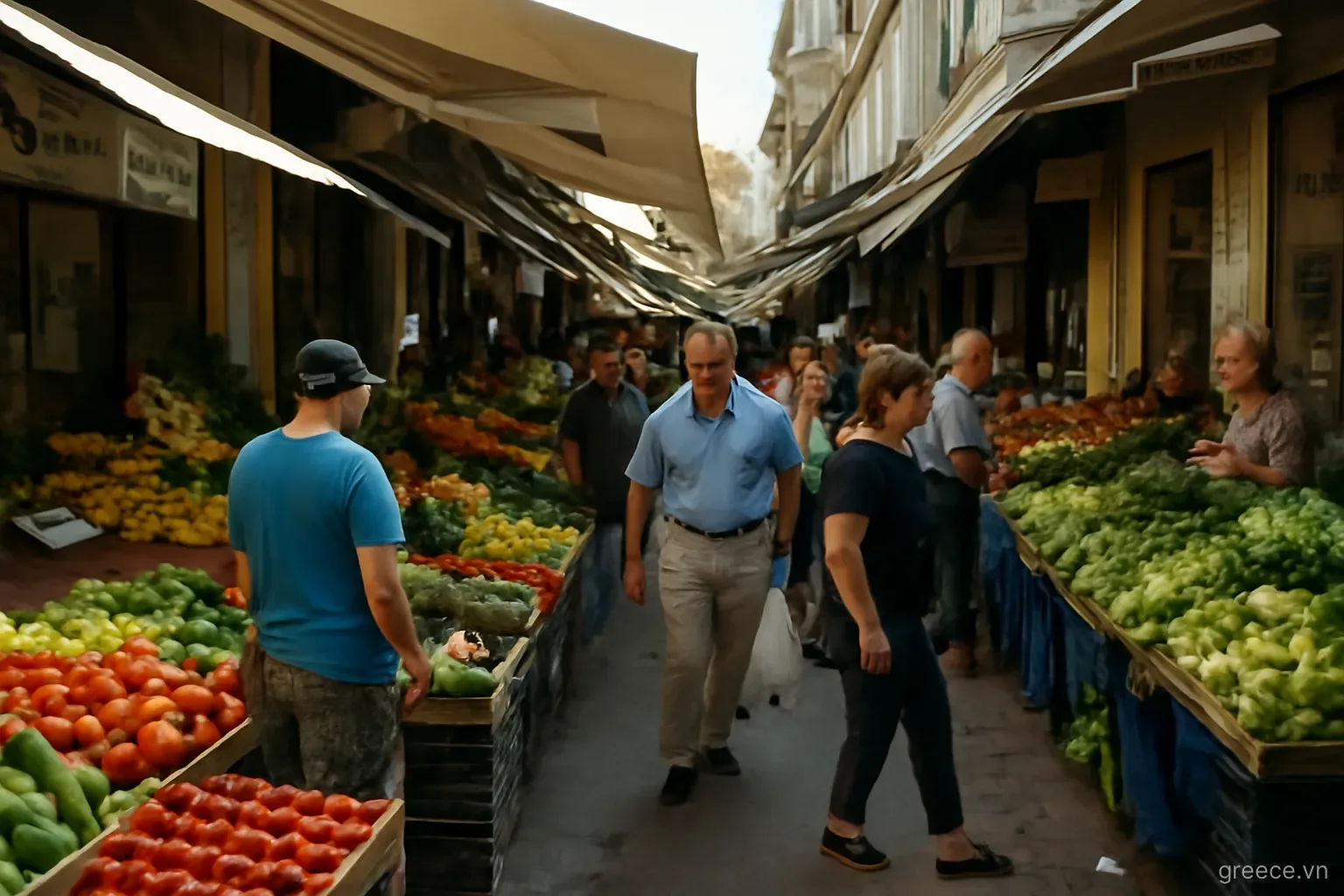
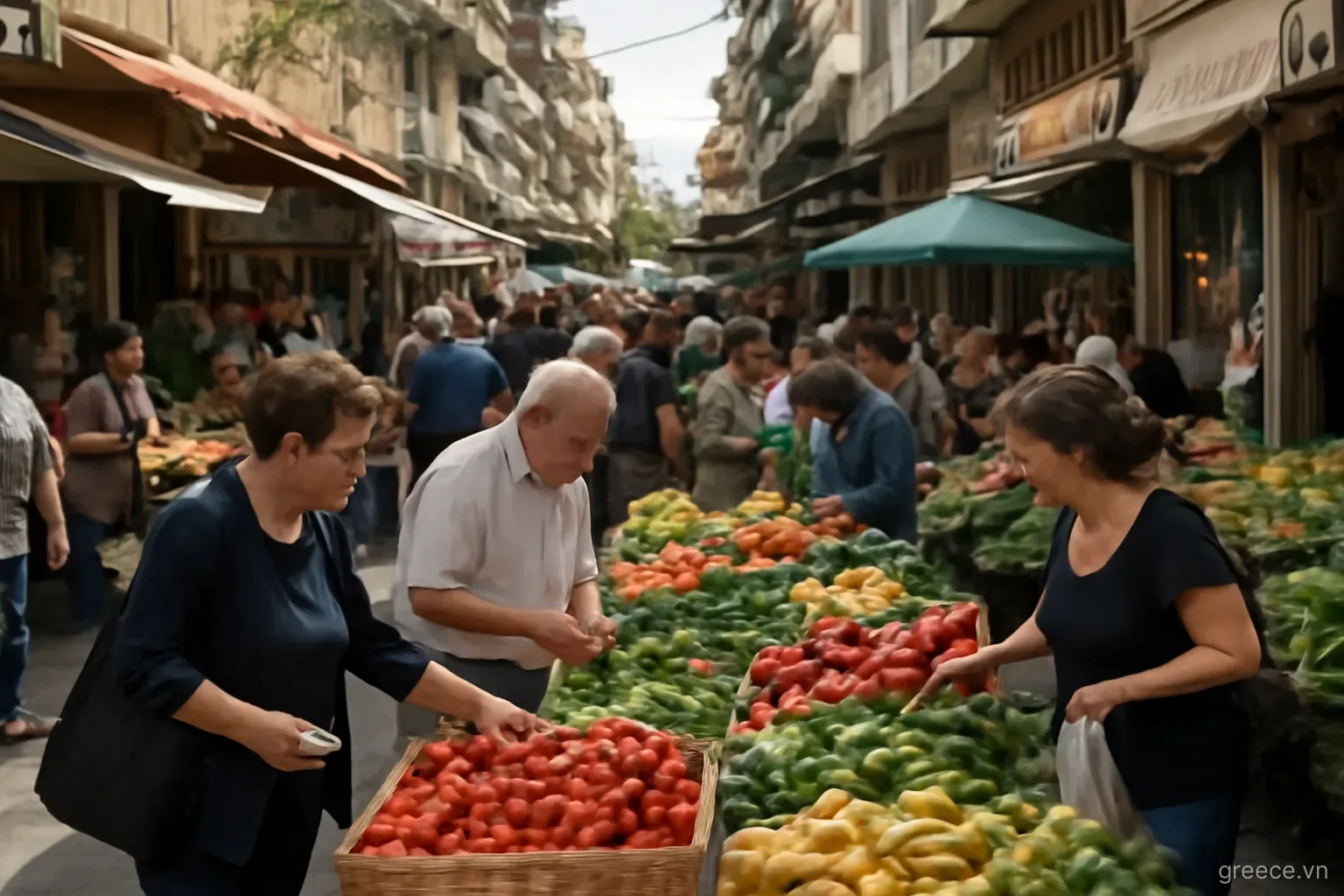
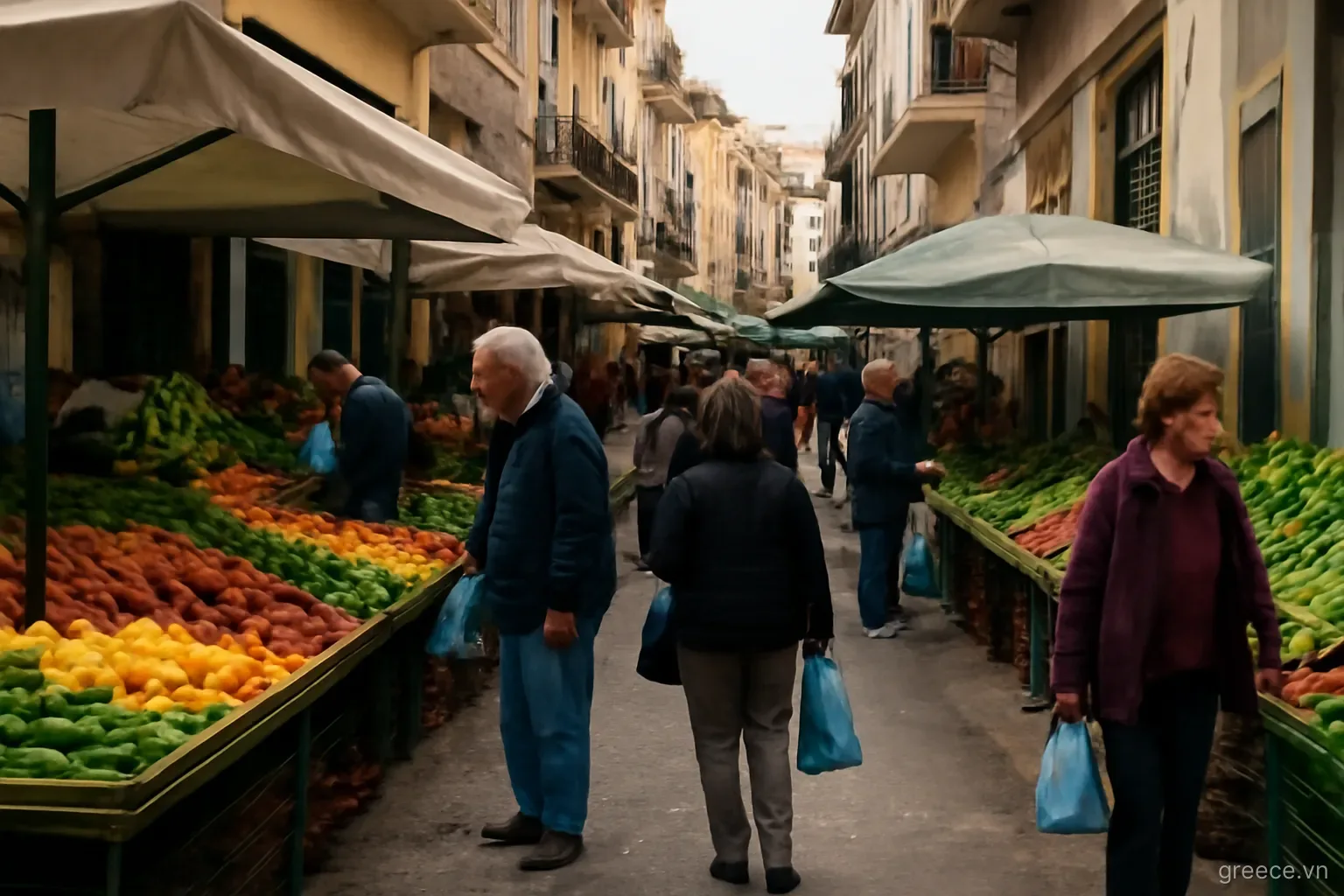
Fresh food, sunny weather and a relaxed pace are big pluses.
Unusual daily habits
The Vietnamese community is small but present in Athens.
- Opening a bank account requires a passport, tax number and residence documents.
- Summers can be very hot, so choose a home with air-conditioning and near the sea if possible.
- The cost of living in Greece is among the most comfortable in the EU.
- Rents outside central Athens are often softer than in many Western European cities.
- The public health system (ESY) serves residents, though many add private insurance.
Notable rules
Residence holders must register a tax number (AFM) and a social-security number.
A European Union member since 1981 and part of the eurozone, Greece uses the euro (EUR).
Greece belongs to the Schengen Area, allowing free movement across much of Europe.
Unexpected food
Wine and ouzo are traditional drinks at gatherings.
Greece is the cradle of philosophy, democracy, drama and the Olympic Games.
Most of the population follows Greek Orthodox Christianity, shaping festivals and daily life.
Unique nature
Athens holds the Acropolis and the Parthenon, symbols of ancient Greek civilisation.
Mykonos draws visitors with its beaches, windmills and lively nightlife.
Crete, the largest island, is rich in Minoan heritage and beautiful beaches.
Little-known facts
The official language is Greek, while English is widely spoken in tourism and larger cities.
Greece counts more than 6,000 islands and islets, of which roughly 200 are inhabited.
It has a Mediterranean climate with hot, dry summers and mild, sunny winters.
Need a tailored roadmap?
Viking Global Group walks with you from paperwork to settlement. Call +849.219.219.88 or email [email protected] for a free consultation.
Related articles
- The real cost of Greece investment migration
- Greece immigration paperwork: checklist and mistakes to avoid
- Living Guide
Frequently asked questions
What surprises newcomers most about Greece?
Many are surprised by very late dinner times, afternoon closures in some areas, ancient ruins in the middle of modern cities, a completely different alphabet and the directness and warmth of conversation. Snow-covered mountains in winter also surprise those expecting only sun and sea.
Which customs feel unusual to visitors?
Name days are celebrated like birthdays, Easter outranks Christmas in importance, and plate-smashing appears in some traditional celebrations. The open palm gesture is offensive, and a slight upward nod can mean no, which can confuse visitors at first.
How does everyday life differ from other European countries?
Coffee breaks can last hours, meals are long social events, shops often close on Sundays, and bureaucracy can be slower. Summers are hot and dry, and many people spend August away from the cities, which changes the rhythm of urban life.
What surprises people about Greek food?
Olive oil is used generously, feta appears in many dishes, thick yoghurt accompanies savoury food, and fresh seasonal produce is taken very seriously. Portions are often shared, and restaurants may bring complimentary dessert or a small drink at the end of a meal.
How can newcomers embrace these differences?
Learn about Greek culture before arriving, stay curious rather than comparing, ask locals when something is unclear and try new customs. Differences that feel strange at first often become the most enjoyable parts of life in Greece.
Information is for reference and may change under the latest official policy. Please contact us for current regulations.