Understanding daily life in Greece helps you judge fit before committing long term.
- Greece has a population of about 10.4 million, most following Greek Orthodox Christianity.
- Property, especially in Athens, has rebounded strongly on Golden Visa demand and tourism.
- Farm exports include olive oil, fruit, wine and seafood.
The public health system (ESY) serves residents, though many add private insurance.
Residence holders must register a tax number (AFM) and a social-security number.
Daily rhythm
Opening a bank account requires a passport, tax number and residence documents.
Summers can be very hot, so choose a home with air-conditioning and near the sea if possible.
The cost of living in Greece is among the most comfortable in the EU.
Income and wages
Greece's economy leans on tourism, shipping and agriculture.
Greece owns one of the world's largest merchant fleets by tonnage.
Tourism contributes a sizeable share of GDP, welcoming tens of millions of visitors yearly.
Welfare and safety net
Public transport in Athens includes a convenient metro, buses and trams.
- Fresh food, sunny weather and a relaxed pace are big pluses.
- The Vietnamese community is small but present in Athens.
- Rents outside central Athens are often softer than in many Western European cities.
- The official language is Greek, while English is widely spoken in tourism and larger cities.
- Greece counts more than 6,000 islands and islets, of which roughly 200 are inhabited.
Safety and quality of life
It has a Mediterranean climate with hot, dry summers and mild, sunny winters.
A European Union member since 1981 and part of the eurozone, Greece uses the euro (EUR).
Greece belongs to the Schengen Area, allowing free movement across much of Europe.
The Vietnamese community
Its coastline stretches about 13,600 km, among the longest in the world.
Greece lies in Southeastern Europe at the southern tip of the Balkan Peninsula on the Mediterranean.
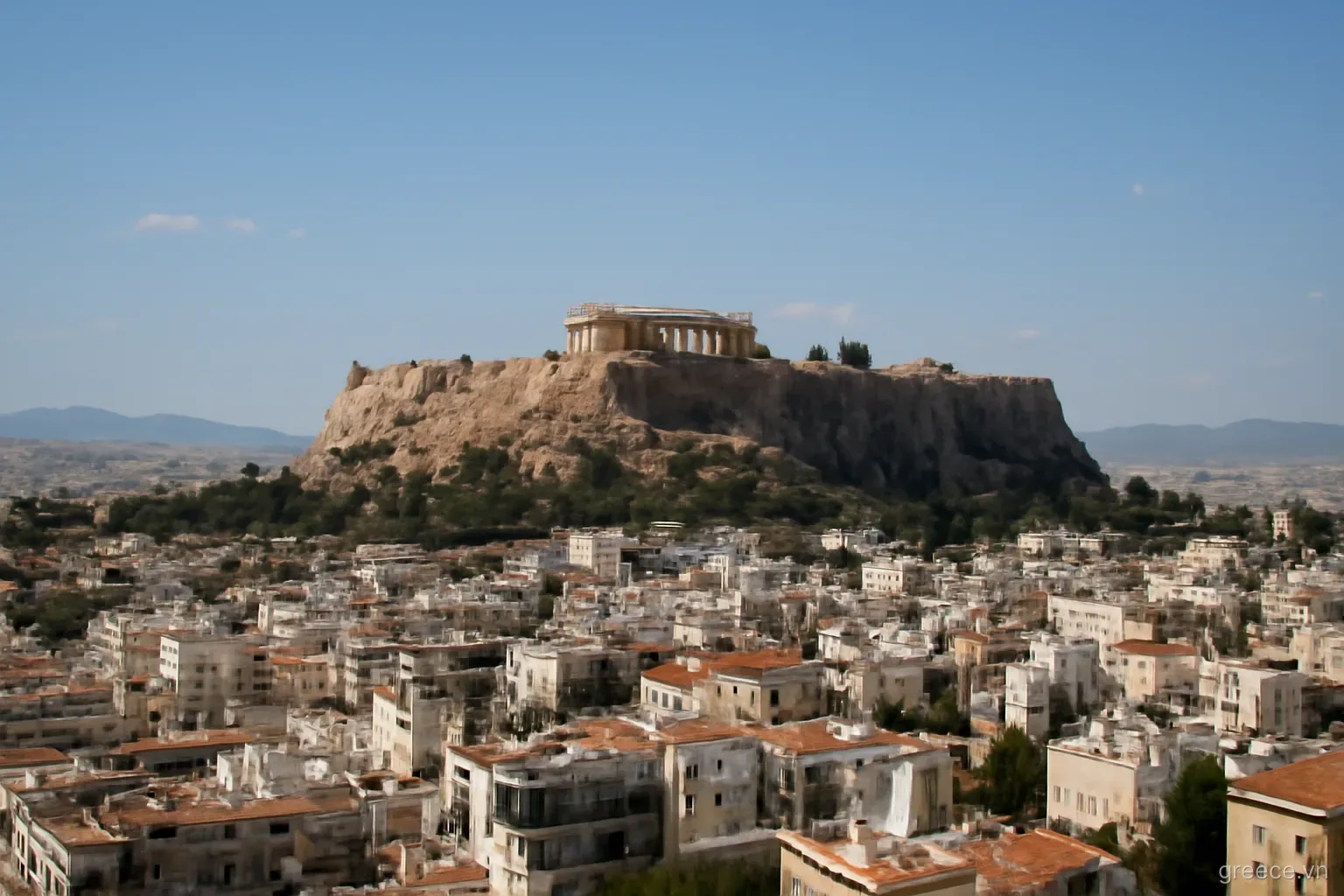
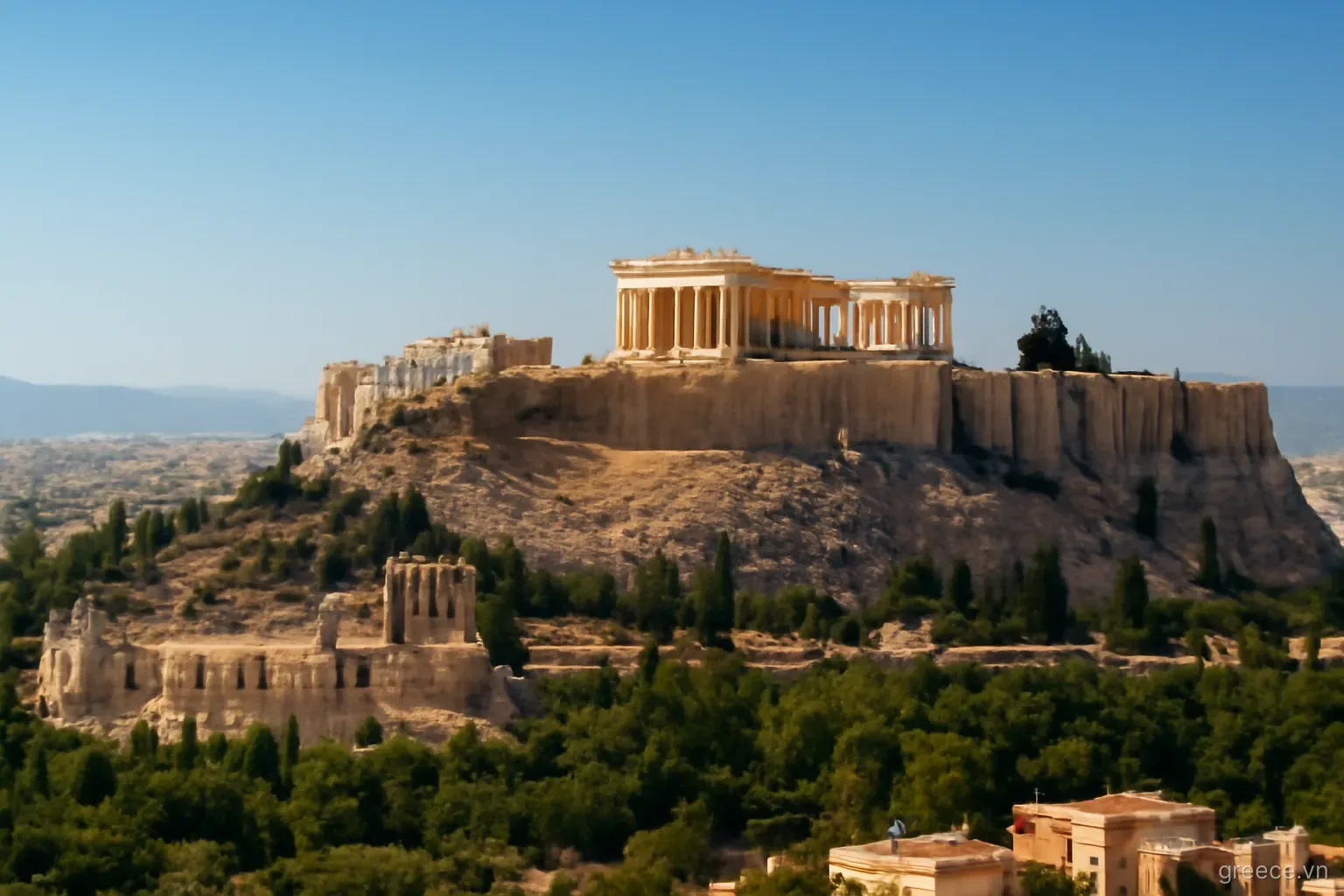
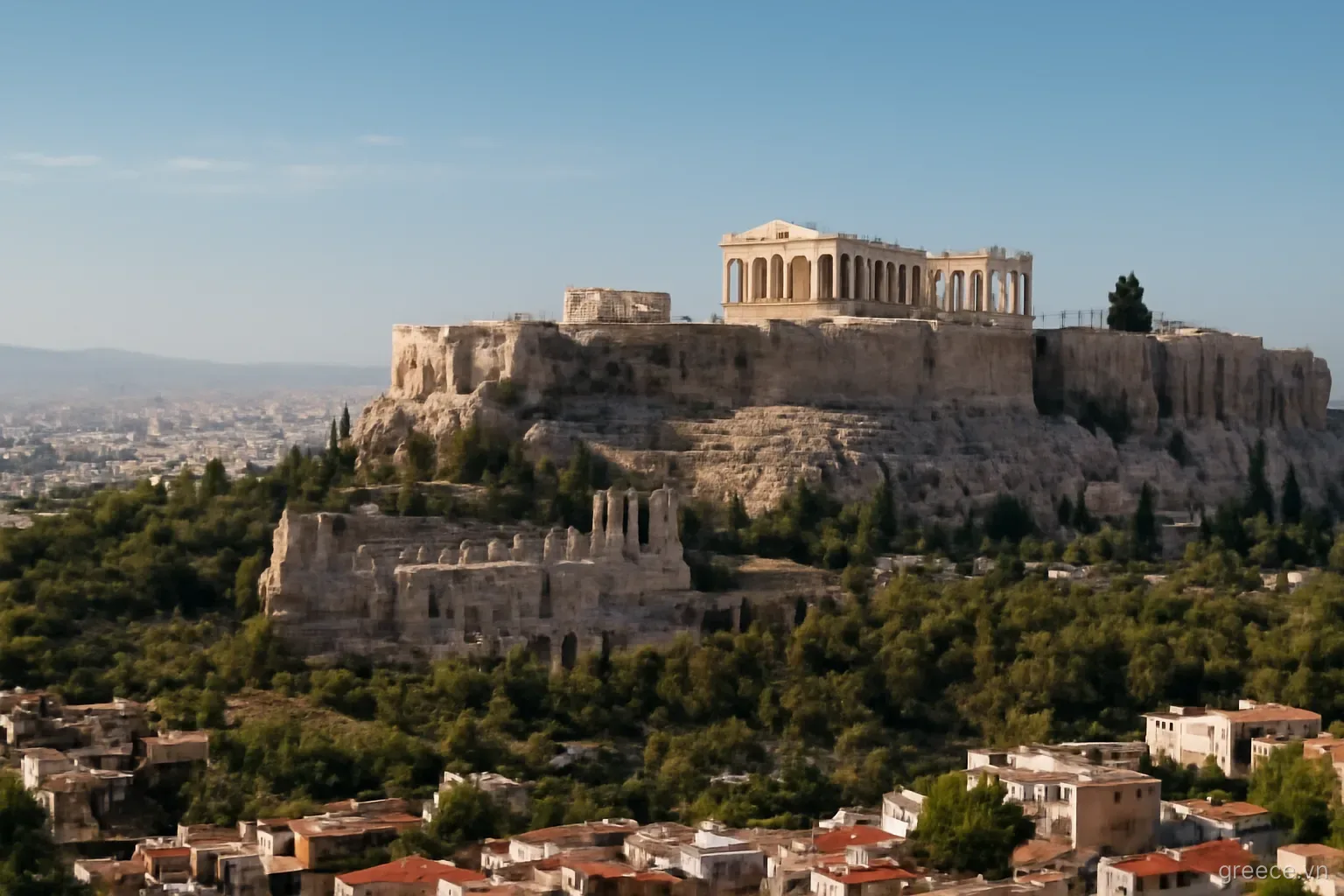
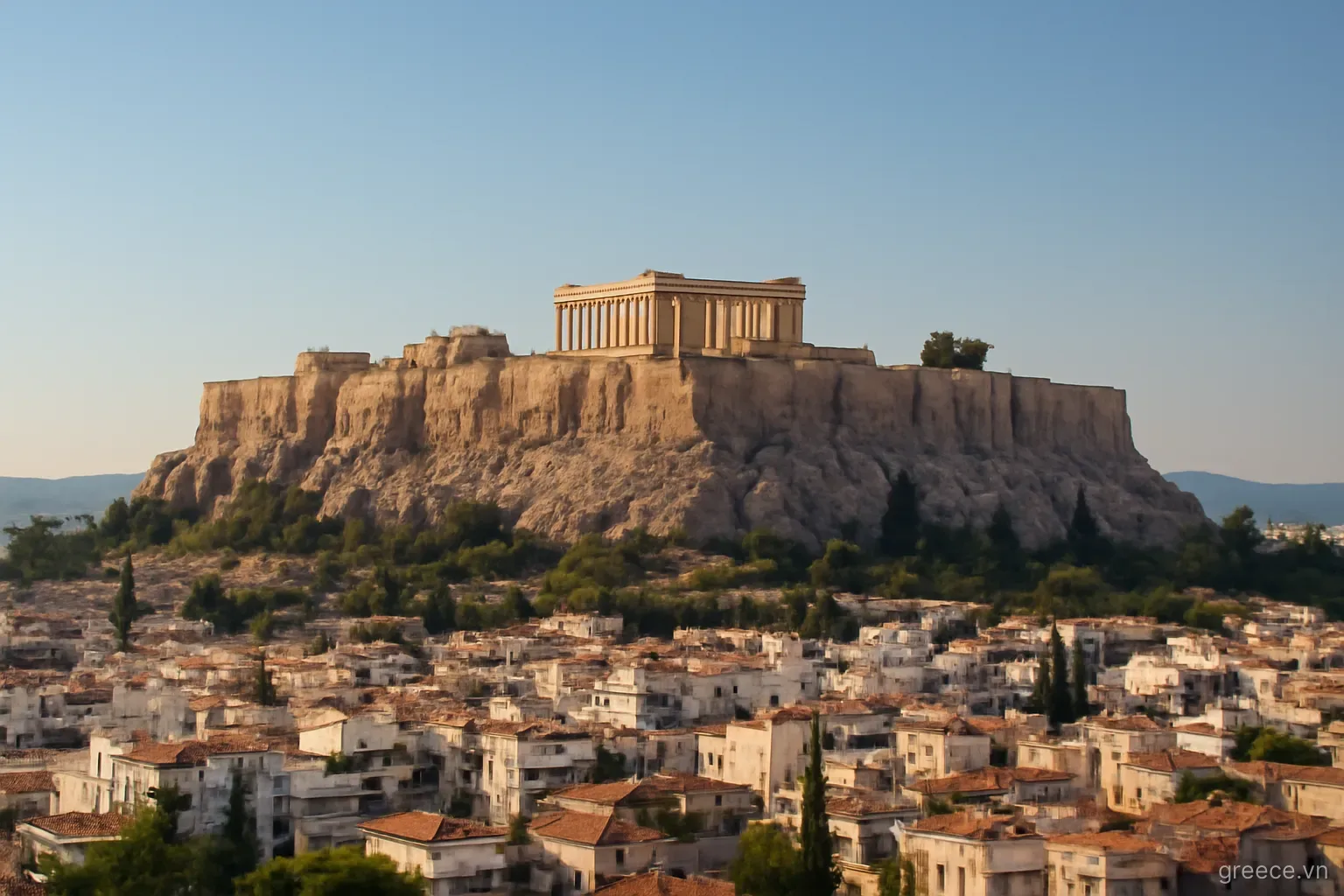
The capital, Athens, is the political and economic hub and the birthplace of Western democracy.
Need a tailored roadmap?
Viking Global Group walks with you from paperwork to settlement. Call +849.219.219.88 or email [email protected] for a free consultation.
Related articles
- Greece investor residency: from application to settling in
- Relocating to Greece with family: spouse, children and parents
- Country Overview
Frequently asked questions
What is the pace of daily life in Greece?
Life revolves around family, friends and long shared meals. Lunch and dinner are eaten late, cafés are social hubs, and summers are spent on islands or in home villages. Athens moves faster than island and rural communities, where life is noticeably more relaxed.
How do incomes in Greece compare within Europe?
Greece is a high-income EU country, but average wages are lower than in much of Western Europe, a legacy partly of the long debt crisis. At the same time, housing costs in Athens and tourist islands have risen. How comfortable life feels depends heavily on location, profession and household size.
What does the Greek welfare system provide?
It includes public healthcare, pensions, unemployment benefits, family allowances and social assistance, administered through national social security and health bodies. Legal workers contribute and gain entitlements. Newcomers must register with the relevant agencies to access services.
How important is family in Greek society?
Family is a central support network. Adult children often live close to their parents, grandparents help with childcare, and extended families gather for religious holidays and name days. Relatives frequently help each other with housing, money and job opportunities.
How can newcomers adapt to Greek life?
Learning basic Greek, accepting late meal times, preparing for paperwork that can be slow, and joining local activities all help. Patience with bureaucracy and openness to the sociable, family-centred lifestyle make settling in much easier.
Information is for reference and may change under the latest official policy. Please contact us for current regulations.