Each season in Greece has its charm; timing lifts the whole trip.
- A European Union member since 1981 and part of the eurozone, Greece uses the euro (EUR).
- Greece belongs to the Schengen Area, allowing free movement across much of Europe.
- Its coastline stretches about 13,600 km, among the longest in the world.
Meteora astonishes with monasteries perched atop towering rock pillars.
The best time to visit is late spring and early autumn, avoiding the hot, crowded peak summer.
Spring and summer
Vietnamese travellers can obtain a short-stay Schengen visa to visit Greece.
Island-hopping is mainly by ferry, so book ahead in high season.
Street food such as souvlaki and gyros is popular and affordable.
Autumn and winter
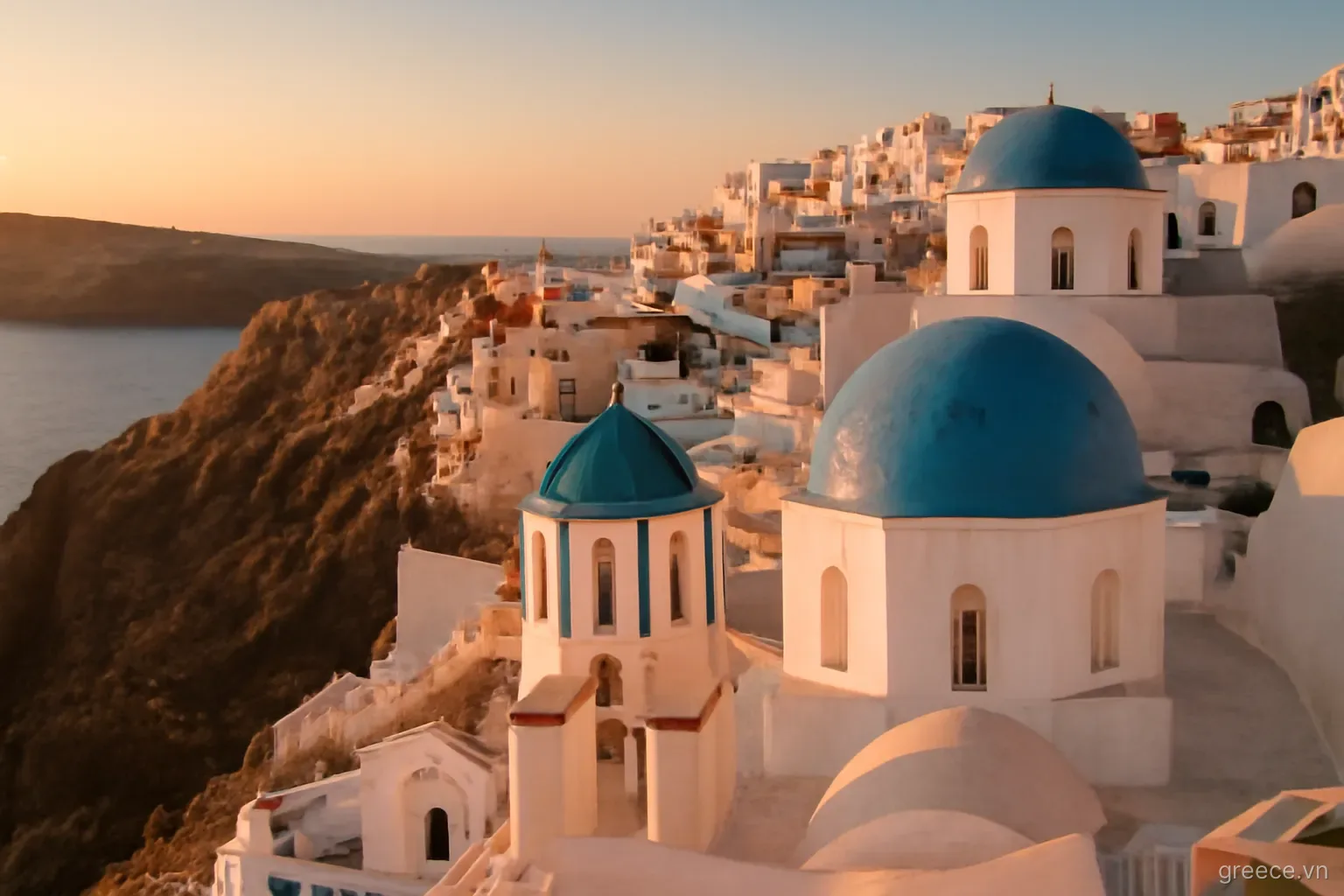
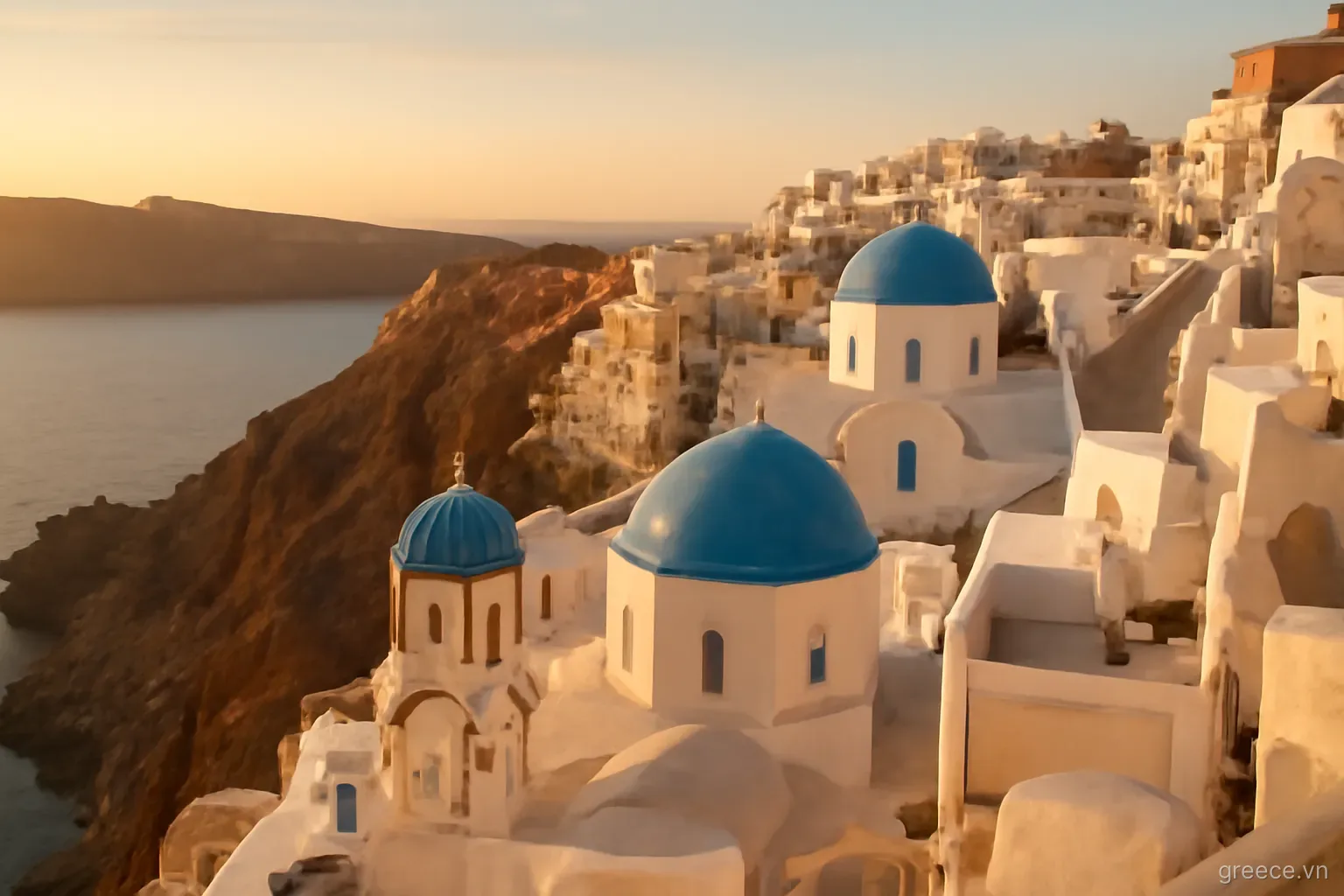
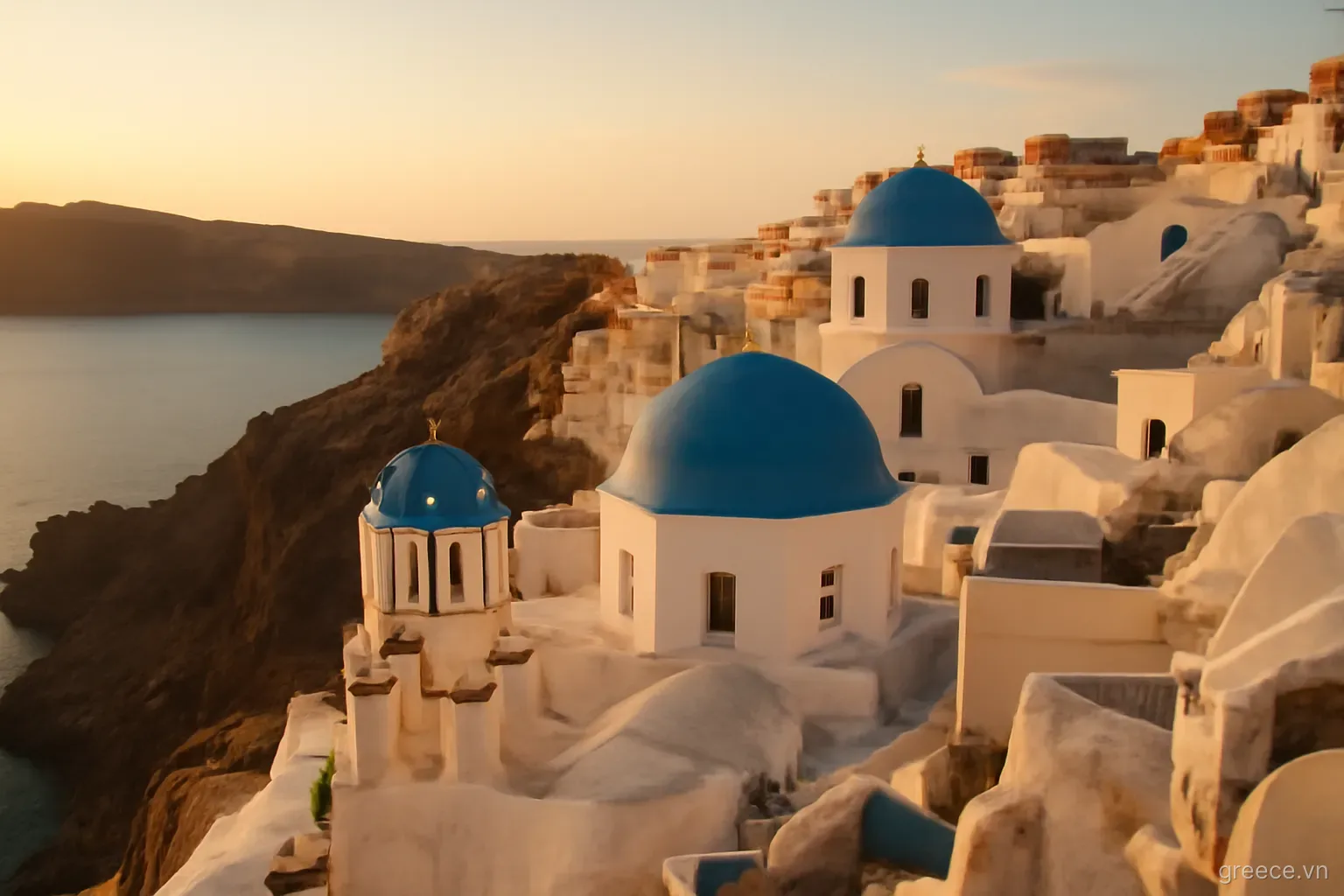
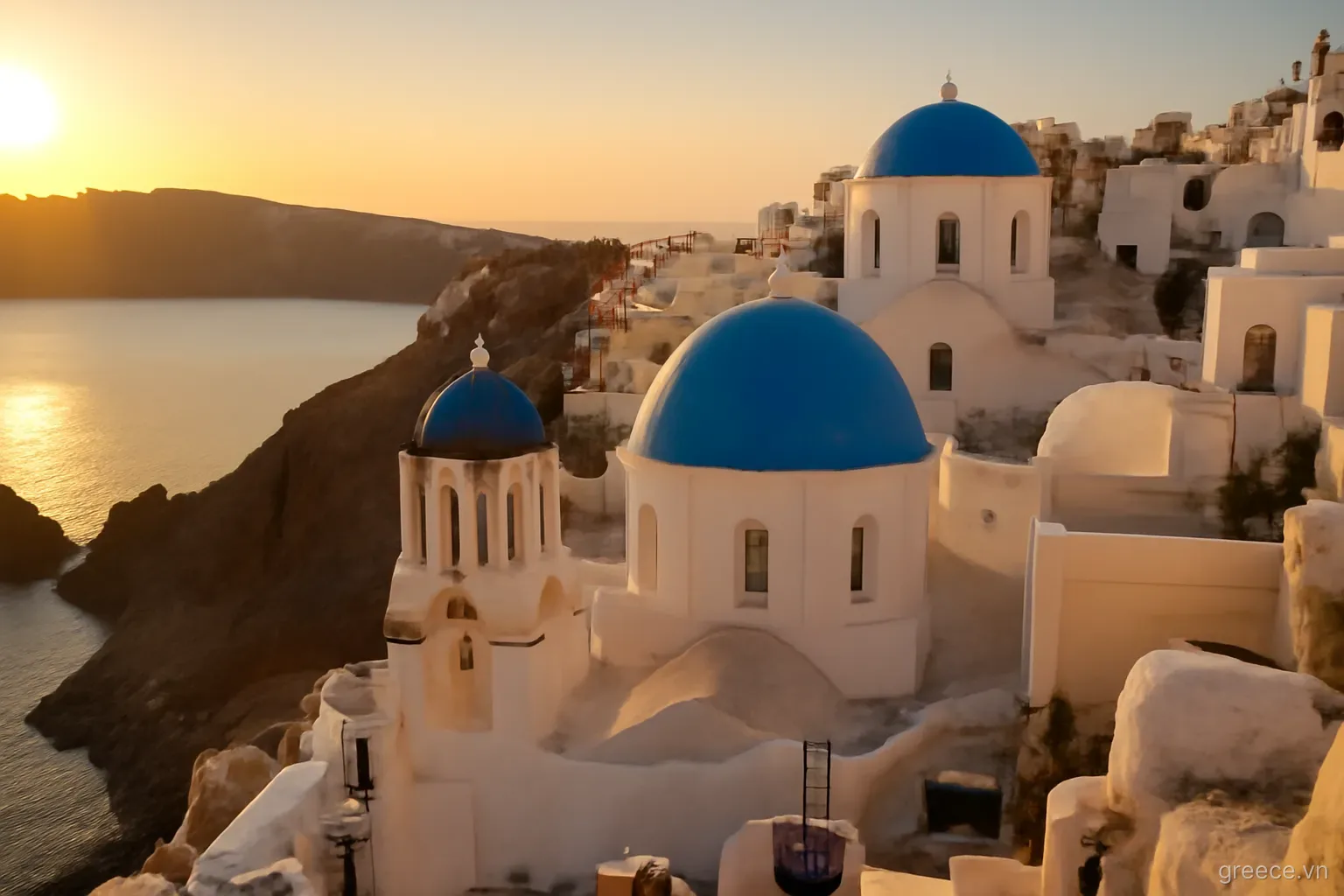
Santorini is famous for whitewashed, blue-domed houses overlooking the Aegean Sea.
Athens holds the Acropolis and the Parthenon, symbols of ancient Greek civilisation.
Mykonos draws visitors with its beaches, windmills and lively nightlife.
Seasonal festivals
Wine and ouzo are traditional drinks at gatherings.
- Greece is the cradle of philosophy, democracy, drama and the Olympic Games.
- Most of the population follows Greek Orthodox Christianity, shaping festivals and daily life.
- Greek cuisine is known for olive oil, feta cheese, moussaka and Greek yogurt.
- Greeks value family, hospitality (philoxenia) and long shared meals.
- Orthodox Easter is the most important celebration of the year.
Seasonal pricing
Rents outside central Athens are often softer than in many Western European cities.
The public health system (ESY) serves residents, though many add private insurance.
Residence holders must register a tax number (AFM) and a social-security number.
Pick by interest
Crete, the largest island, is rich in Minoan heritage and beautiful beaches.
The official language is Greek, while English is widely spoken in tourism and larger cities.
Greece counts more than 6,000 islands and islets, of which roughly 200 are inhabited.
Need a tailored roadmap?
Viking Global Group walks with you from paperwork to settlement. Call +849.219.219.88 or email [email protected] for a free consultation.
Related articles
- Greece immigration paperwork: checklist and mistakes to avoid
- Study in Greece then settle: is it realistic?
- Travel & Explore
Frequently asked questions
When is the best time to visit Greece?
Late spring and early autumn are often considered ideal, combining warm weather, swimmable seas by late spring, fewer crowds and lower prices than midsummer. The best timing still depends on whether beaches, hiking or sightseeing is the priority.
What is summer like in Greece?
Summer brings the warmest seas, full island services and lively festivals, but also the highest temperatures, crowds and prices. Heatwaves and wildfire risk have become more frequent, and strong seasonal winds in the Aegean can disrupt ferries.
Is spring a good time to travel?
Spring is excellent for sightseeing and hiking, with wildflowers, mild weather and fewer tourists. Greek Easter often falls in spring and offers memorable cultural experiences. The sea can still be cool for swimming early in the season.
What does winter offer?
Winter is mild along the coasts and in Athens, with some rain, while mountain areas in the north can be cold and snowy, with ski resorts. Many island hotels and restaurants close, but cities, museums and everyday Greek life are pleasantly uncrowded.
How should travellers plan around the seasons?
Choose late spring to early autumn for beaches and island hopping, spring or autumn for historic sites and hiking, Easter for culture, and winter for city breaks. Always check ferry timetables, which change significantly between high and low season.
Information is for reference and may change under the latest official policy. Please contact us for current regulations.