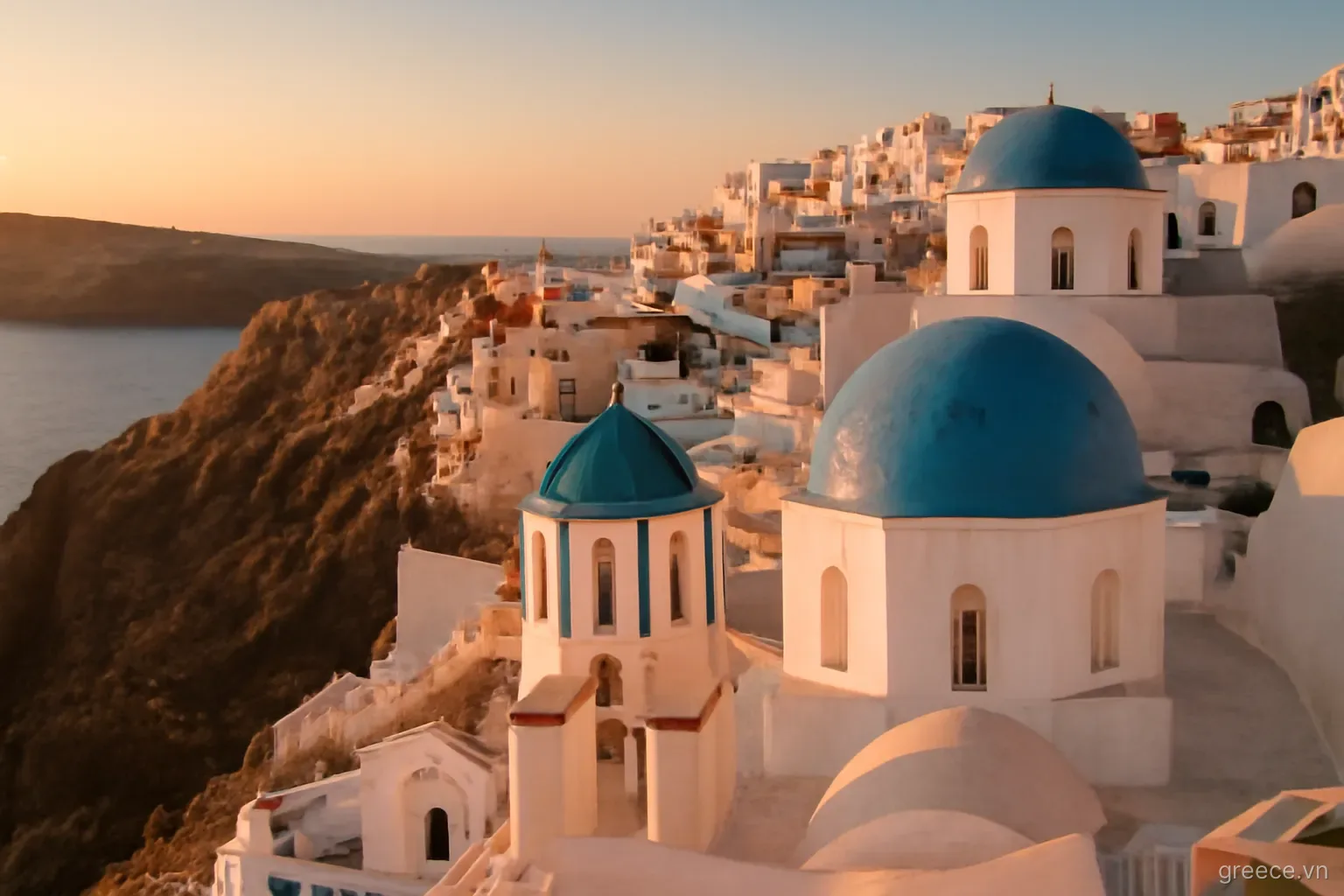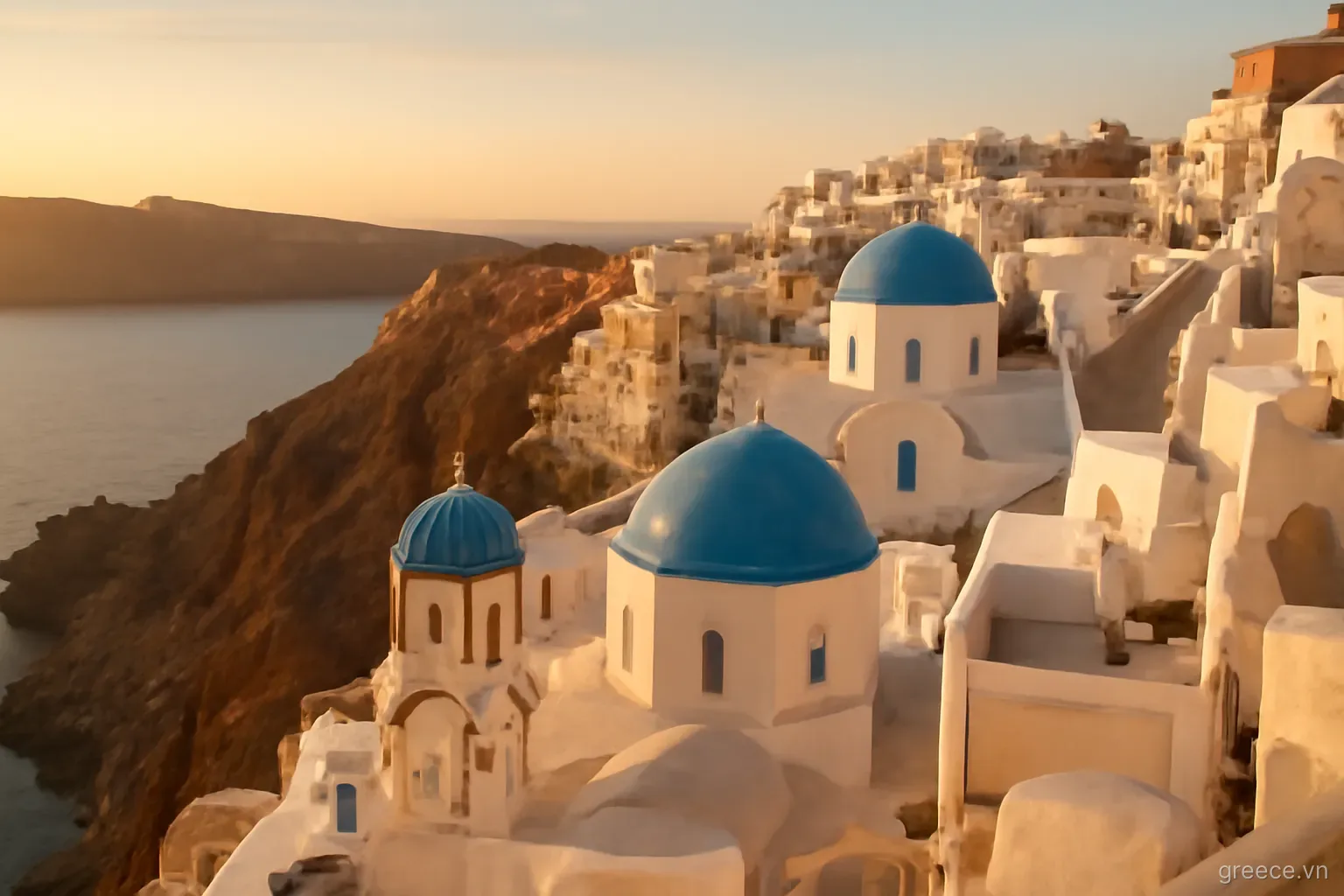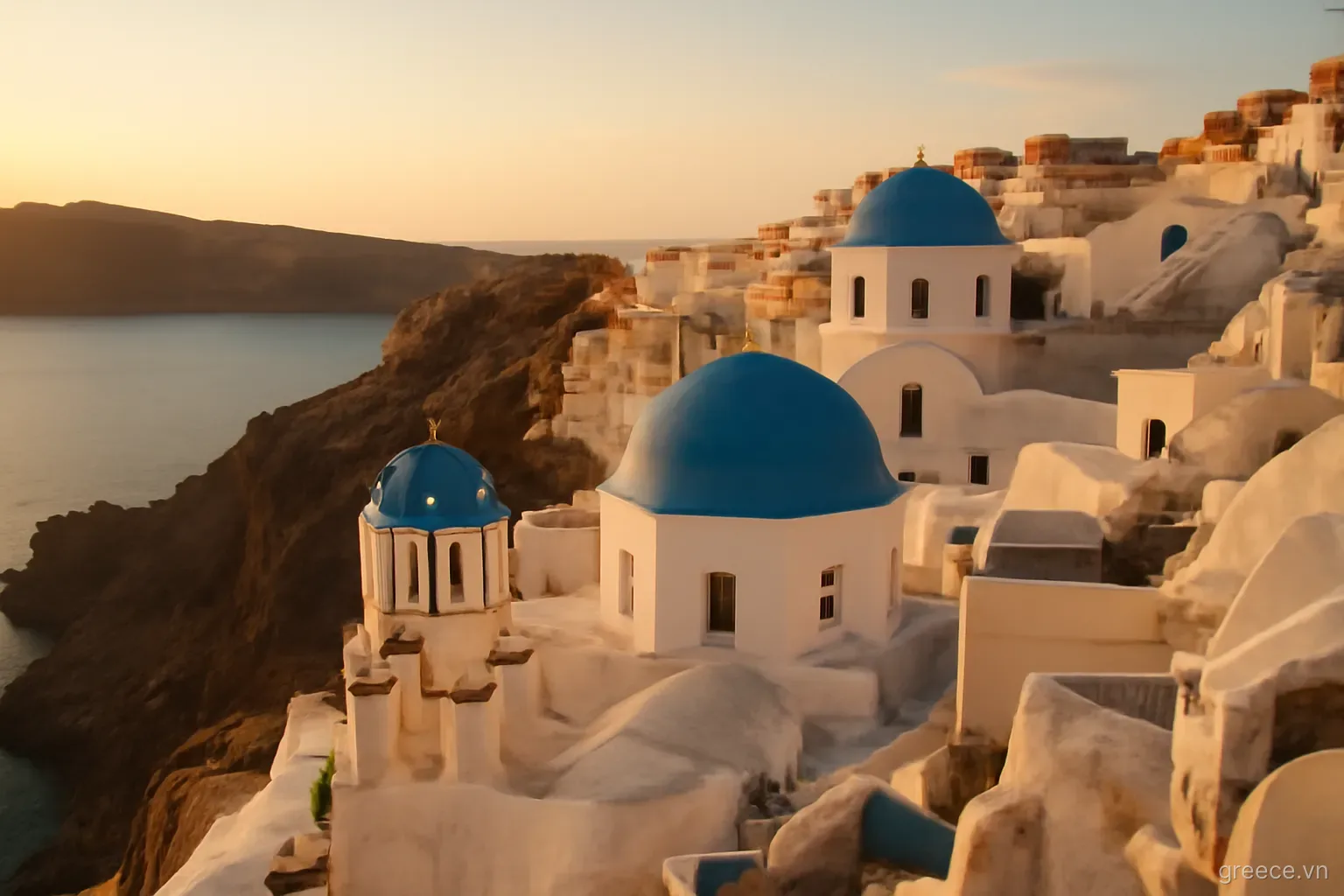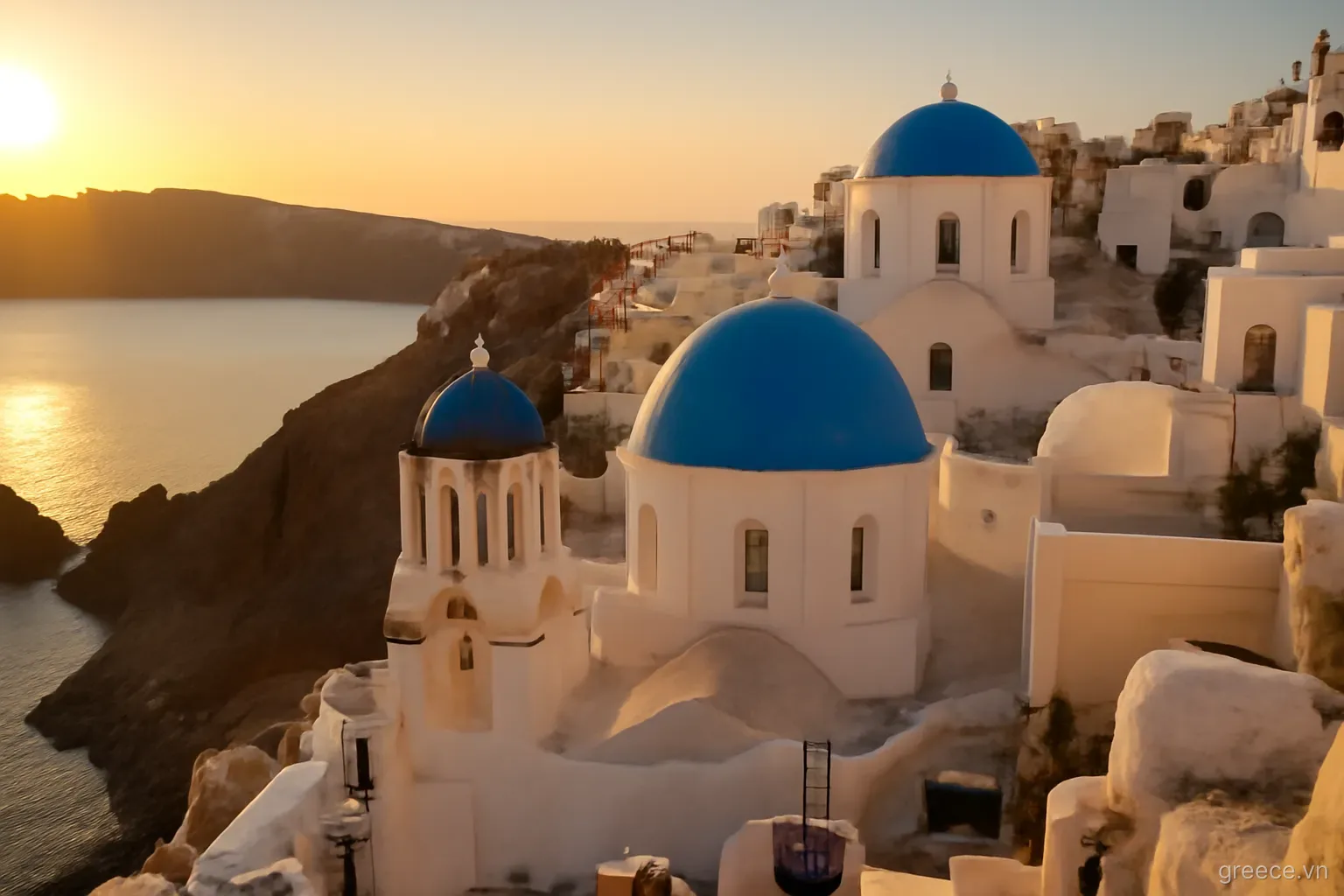
A few tips make your Greece trip cheaper and smoother.
- It has a Mediterranean climate with hot, dry summers and mild, sunny winters.
- A European Union member since 1981 and part of the eurozone, Greece uses the euro (EUR).
- Greece counts more than 6,000 islands and islets, of which roughly 200 are inhabited.
Crete, the largest island, is rich in Minoan heritage and beautiful beaches.
Meteora astonishes with monasteries perched atop towering rock pillars.
Getting around
Athens holds the Acropolis and the Parthenon, symbols of ancient Greek civilisation.
Mykonos draws visitors with its beaches, windmills and lively nightlife.
The best time to visit is late spring and early autumn, avoiding the hot, crowded peak summer.
Affordable stays
Residence holders must register a tax number (AFM) and a social-security number.
Public transport in Athens includes a convenient metro, buses and trams.
Fresh food, sunny weather and a relaxed pace are big pluses.
Money-saving tips
The Vietnamese community is small but present in Athens.
- Opening a bank account requires a passport, tax number and residence documents.
- Summers can be very hot, so choose a home with air-conditioning and near the sea if possible.
- The cost of living in Greece is among the most comfortable in the EU.
- Rents outside central Athens are often softer than in many Western European cities.
- The public health system (ESY) serves residents, though many add private insurance.
Traveller safety
Greece belongs to the Schengen Area, allowing free movement across much of Europe.
Its coastline stretches about 13,600 km, among the longest in the world.
Greece lies in Southeastern Europe at the southern tip of the Balkan Peninsula on the Mediterranean.
Handy apps
The capital, Athens, is the political and economic hub and the birthplace of Western democracy.
Greece has a population of about 10.4 million, most following Greek Orthodox Christianity.
The official language is Greek, while English is widely spoken in tourism and larger cities.
Need a tailored roadmap?
Viking Global Group walks with you from paperwork to settlement. Call +849.219.219.88 or email [email protected] for a free consultation.
Related articles
- Greece citizenship: eligibility, timeline and passport power
- Cost of studying in Greece: tuition, living and scholarships
- Travel & Explore
Frequently asked questions
How can travellers see Greece on a budget?
Travel in spring or autumn, choose lesser-known islands, book ferries and accommodation early, eat at local tavernas and souvlaki shops, use public transport, buy combined site tickets and take advantage of free museum days where offered.
What is the most economical way to get around?
Use the metro, buses and trams in Athens, slower conventional ferries rather than high-speed boats between islands, and local buses on the islands. Hiring a car can be economical for groups but requires a valid licence and confidence on mountain roads.
Is Greece safe for tourists?
Greece is generally safe. The main risks are pickpocketing in crowded places and on the Athens metro, minor scams in tourist hotspots, summer heatwaves and wildfires. Following official warnings and taking normal precautions keeps trips trouble-free.
How should travellers cope with summer heat?
Visit archaeological sites early in the morning or late afternoon, drink plenty of water, wear sun protection and rest during the hottest hours. Check heatwave alerts, as some sites may close on extreme days, and respect fire bans in rural areas.
Which etiquette helps visitors travel respectfully?
Dress modestly in churches and monasteries, do not climb on or remove anything from ancient sites, greet people politely and respect quiet afternoon hours in small villages. Learning a few Greek words is warmly appreciated.
Information is for reference and may change under the latest official policy. Please contact us for current regulations.