Greece culture distils a long history and values kept across generations.
- Greece counts more than 6,000 islands and islets, of which roughly 200 are inhabited.
- Tourism contributes a sizeable share of GDP, welcoming tens of millions of visitors yearly.
- After the 2010s debt crisis, the economy has recovered and returned to growth.
Greece is the cradle of philosophy, democracy, drama and the Olympic Games.
Most of the population follows Greek Orthodox Christianity, shaping festivals and daily life.
Historical roots
Greek cuisine is known for olive oil, feta cheese, moussaka and Greek yogurt.
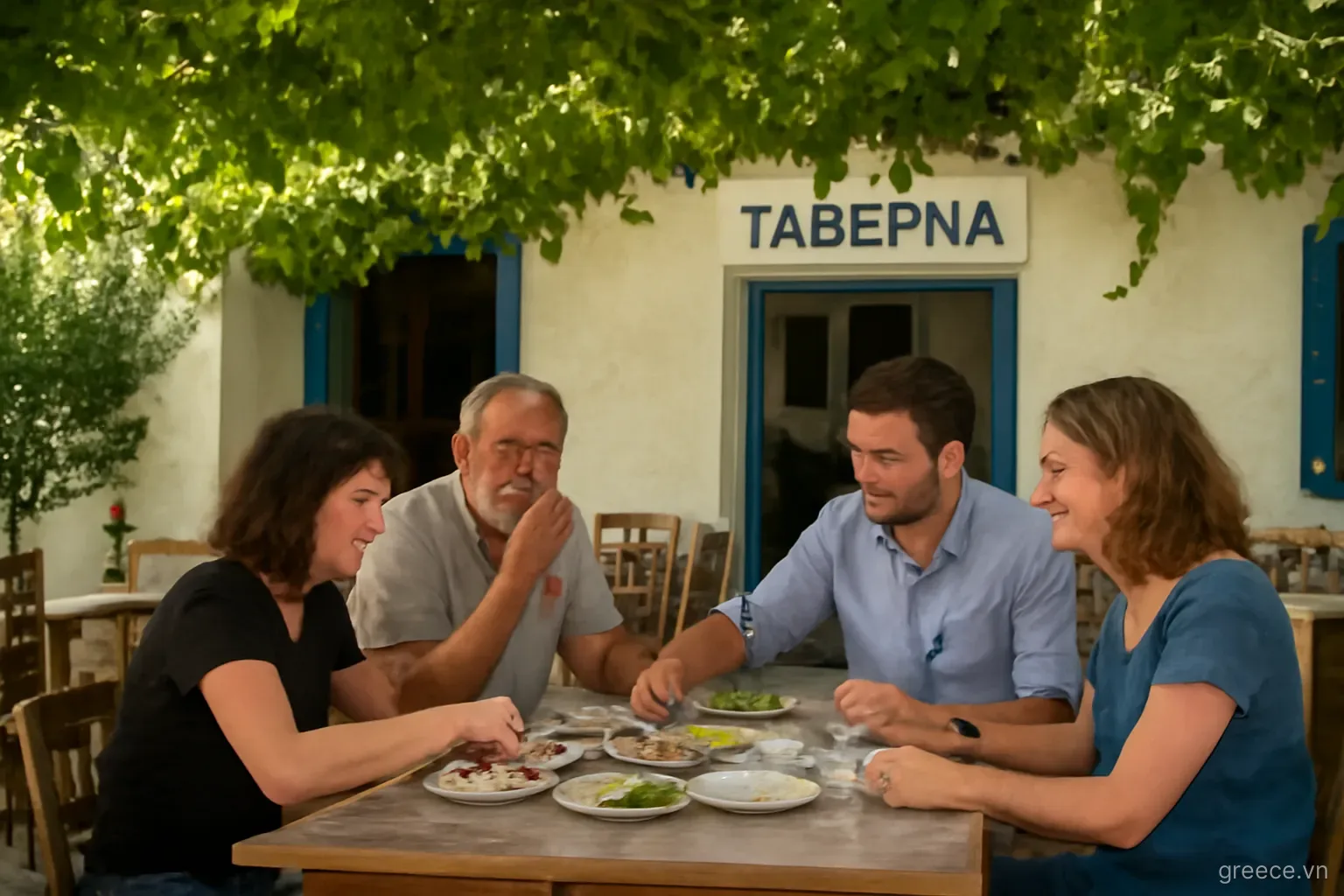
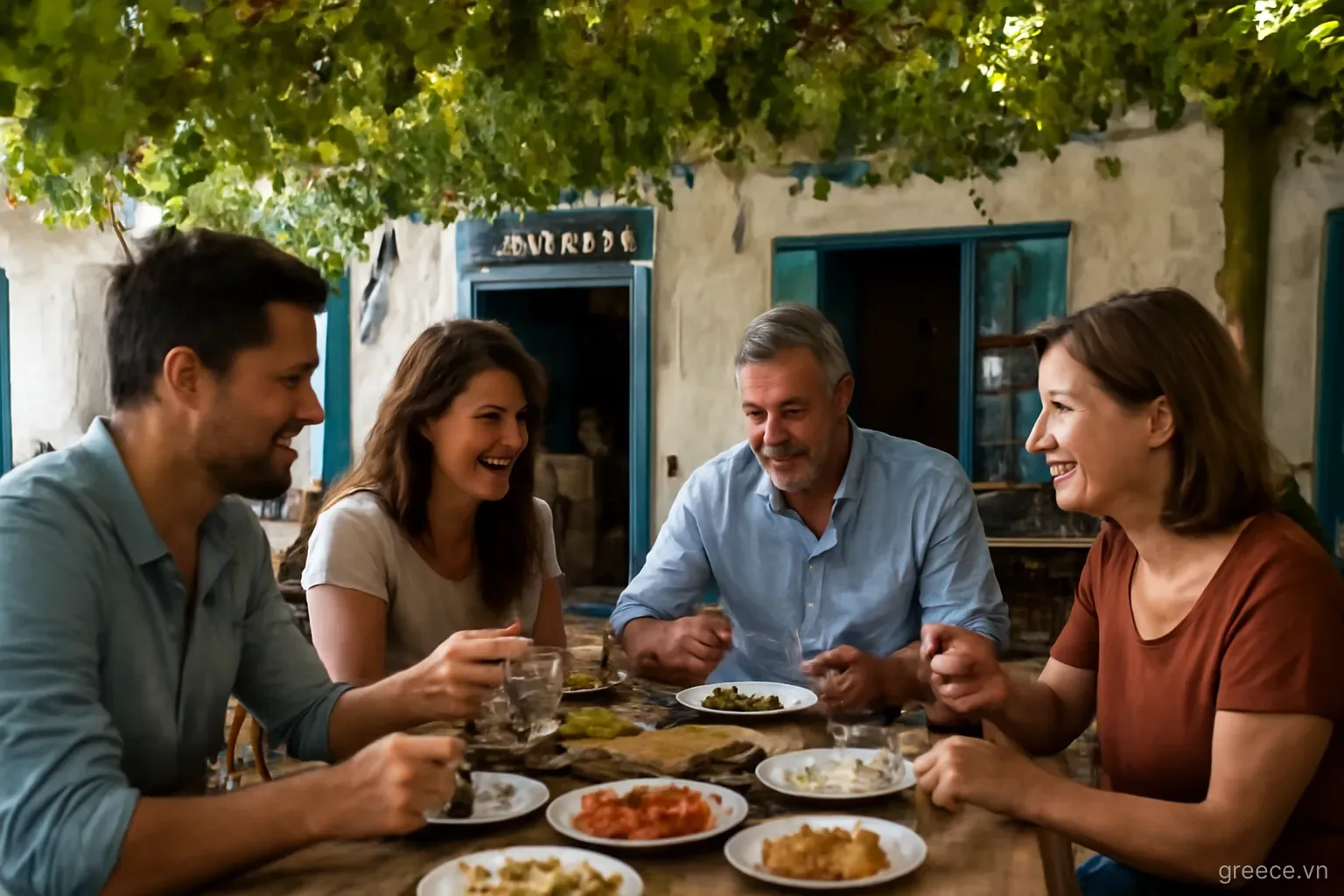
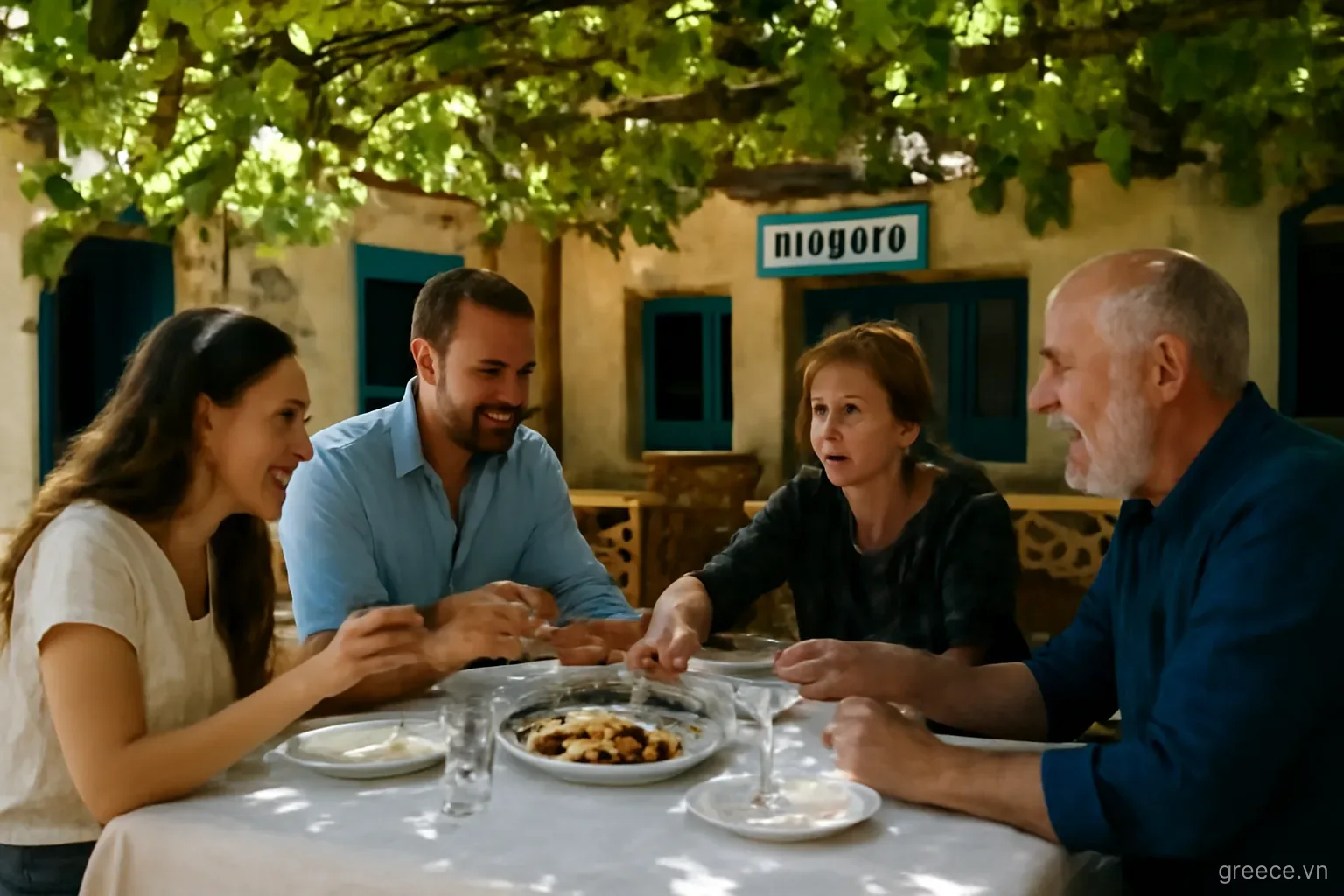
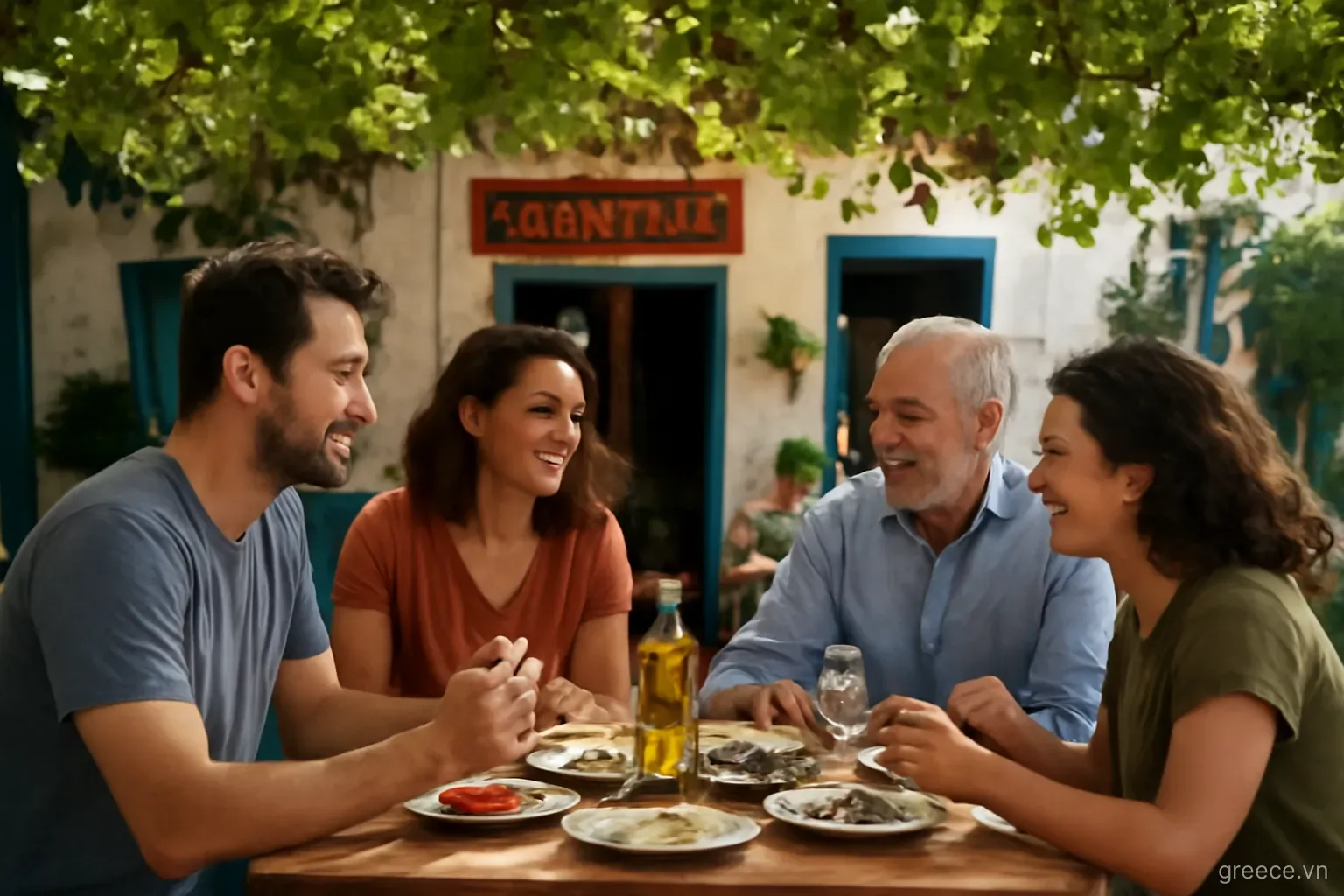
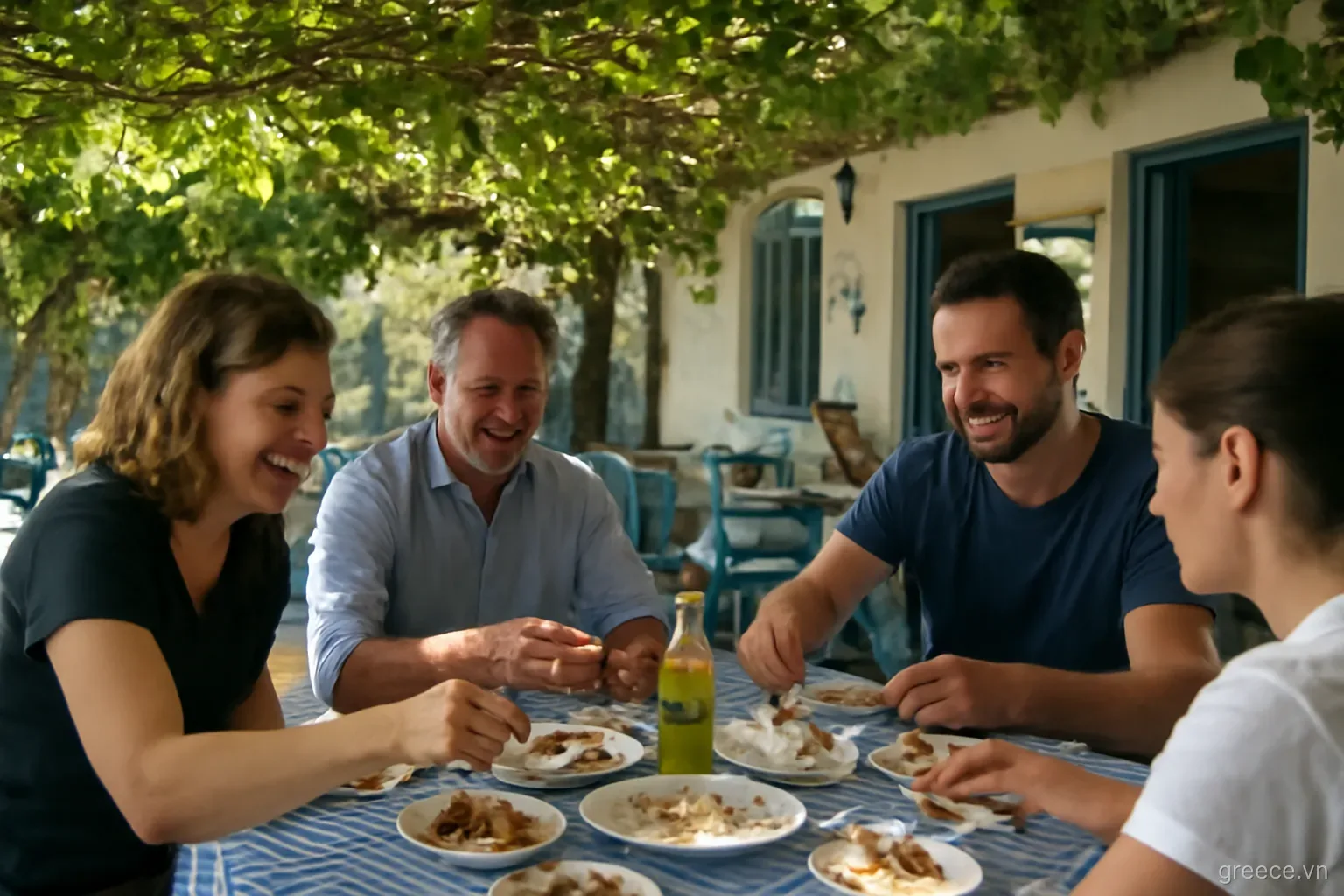
Greeks value family, hospitality (philoxenia) and long shared meals.
Orthodox Easter is the most important celebration of the year.
Religion and beliefs
UNESCO sites such as the Acropolis, Delphi and Olympia are spread across the country.
Traditional music features the bouzouki, and the sirtaki dance is familiar to visitors.
Greek uses its own alphabet and is one of the oldest languages still spoken.
Family values
Wine and ouzo are traditional drinks at gatherings.
It has a Mediterranean climate with hot, dry summers and mild, sunny winters.
A European Union member since 1981 and part of the eurozone, Greece uses the euro (EUR).
Art and heritage
Greece belongs to the Schengen Area, allowing free movement across much of Europe.
- Its coastline stretches about 13,600 km, among the longest in the world.
- Greece lies in Southeastern Europe at the southern tip of the Balkan Peninsula on the Mediterranean.
- The capital, Athens, is the political and economic hub and the birthplace of Western democracy.
- Greece has a population of about 10.4 million, most following Greek Orthodox Christianity.
- The official language is Greek, while English is widely spoken in tourism and larger cities.
Identity in daily life
The cost of living in Greece is among the most comfortable in the EU.
Rents outside central Athens are often softer than in many Western European cities.
The public health system (ESY) serves residents, though many add private insurance.
Need a tailored roadmap?
Viking Global Group walks with you from paperwork to settlement. Call +849.219.219.88 or email [email protected] for a free consultation.
Related articles
- Study in Greece: the education system and why choose it
- Travel in Greece: must-see destinations
- Culture & People
Frequently asked questions
What shaped Greek national identity?
Greek identity draws on ancient Greek civilisation, Byzantine and Orthodox Christian traditions, centuries of Ottoman rule and the modern struggle for independence. Together these layers form a strong sense of continuity with the past and pride in the country's contribution to the world.
How important is the Orthodox Church?
Most Greeks identify with the Orthodox Church, which shapes major life events, holidays and community life. Name days are celebrated widely, and small chapels dot the landscape. For many, religion is as much a cultural identity as a personal faith.
How does ancient heritage influence modern Greece?
Ancient heritage appears in architecture, language, education and national pride. Cities are built around archaeological sites, conservation is taken seriously and heritage underpins the tourism economy. Ancient ideas also influence how Greeks see democracy and philosophy.
What role do music and dance play in Greek culture?
Rebetiko, regional folk music with the bouzouki and dances such as the syrtos and kalamatianos are central at weddings, festivals and gatherings. Music and dance express community, joy and sometimes sorrow, and visitors are often invited to join in.
How can visitors understand Greek culture more deeply?
Visit museums and sites, attend local festivals, eat in family tavernas, hear live music, take a language or cooking class and talk with locals. Reading about Greek mythology and history beforehand adds meaning to what you see during your stay.
Information is for reference and may change under the latest official policy. Please contact us for current regulations.