Festivals are where Greece's identity shines brightest.
- Its coastline stretches about 13,600 km, among the longest in the world.
- Property, especially in Athens, has rebounded strongly on Golden Visa demand and tourism.
- Farm exports include olive oil, fruit, wine and seafood.
Greek cuisine is known for olive oil, feta cheese, moussaka and Greek yogurt.
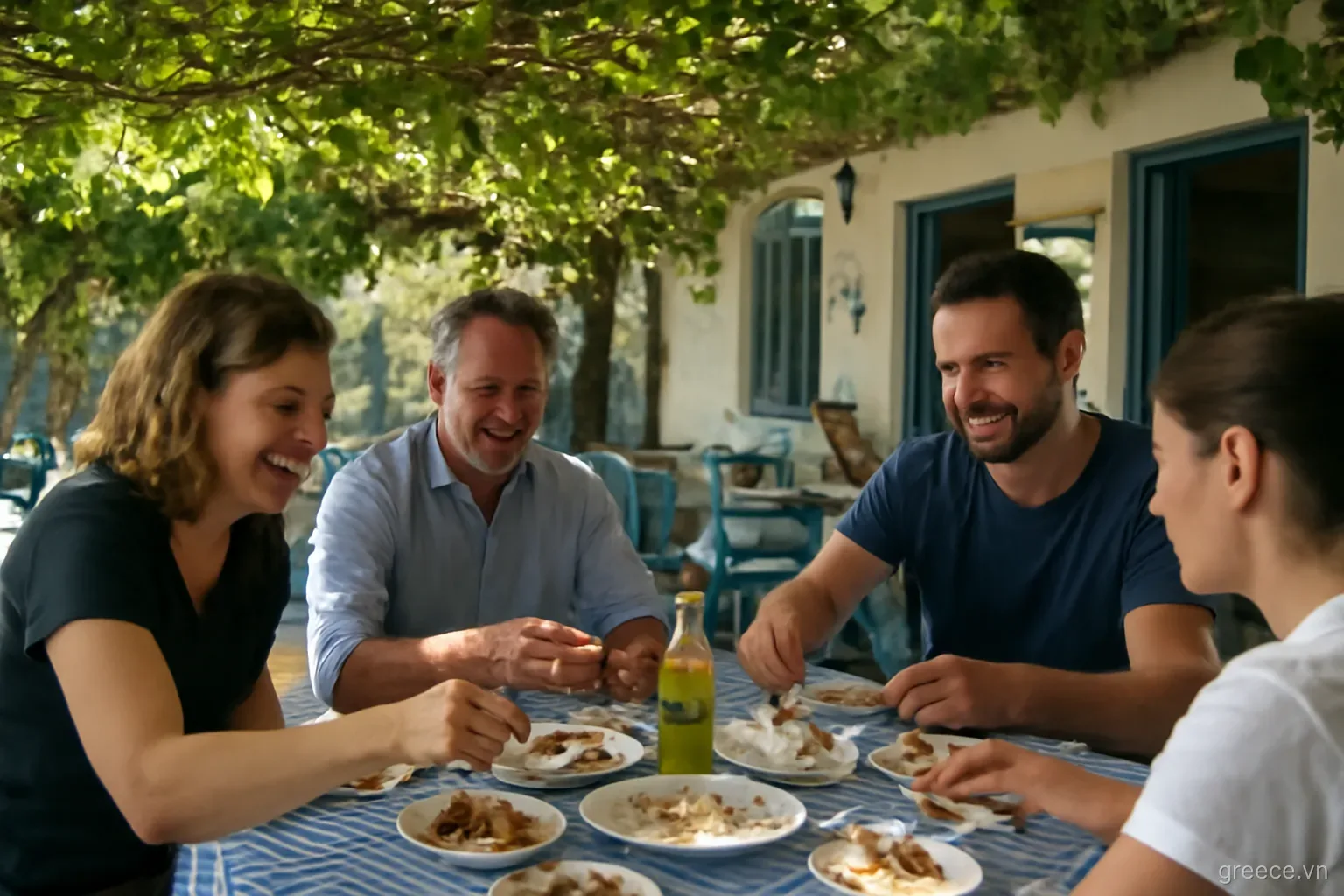
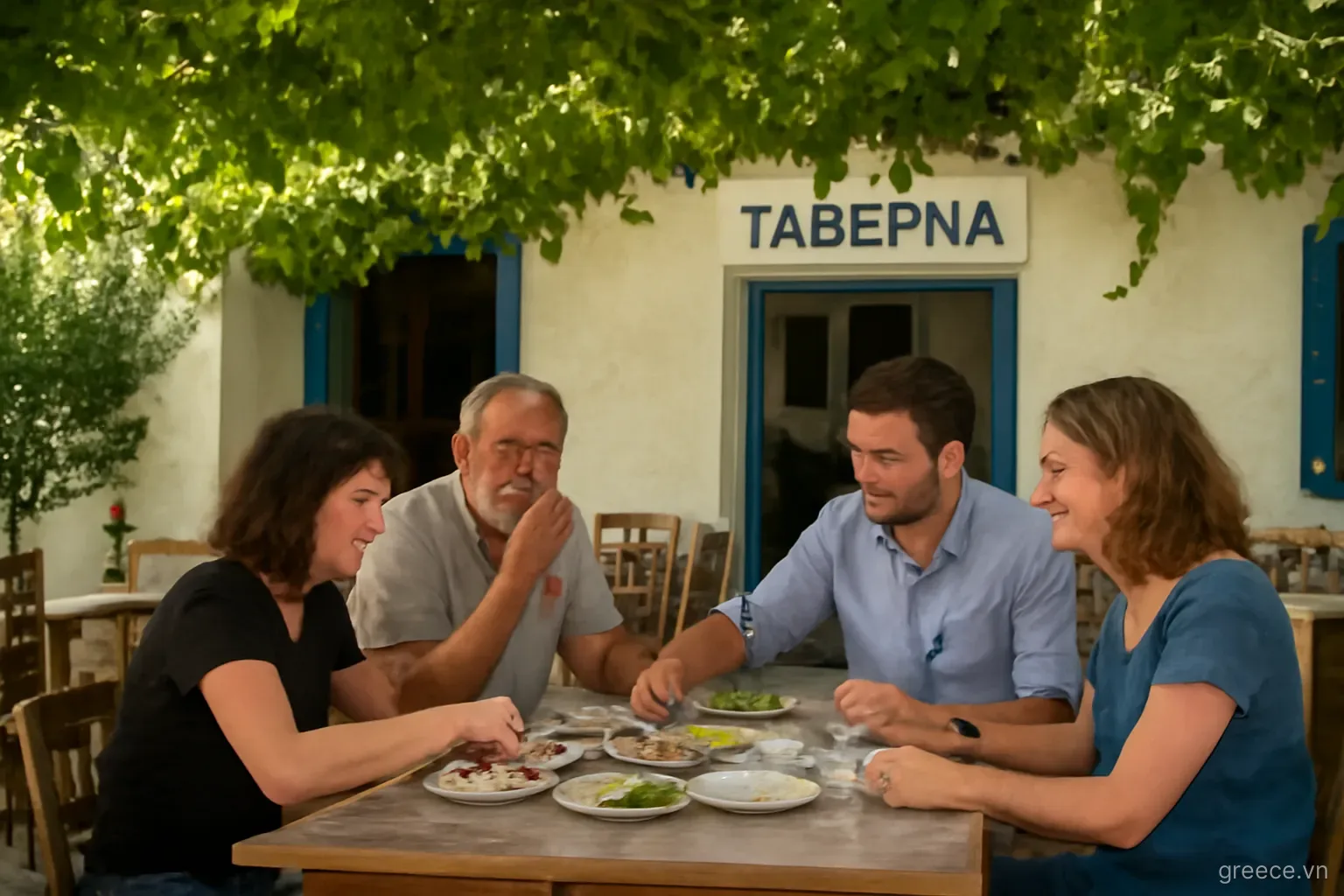
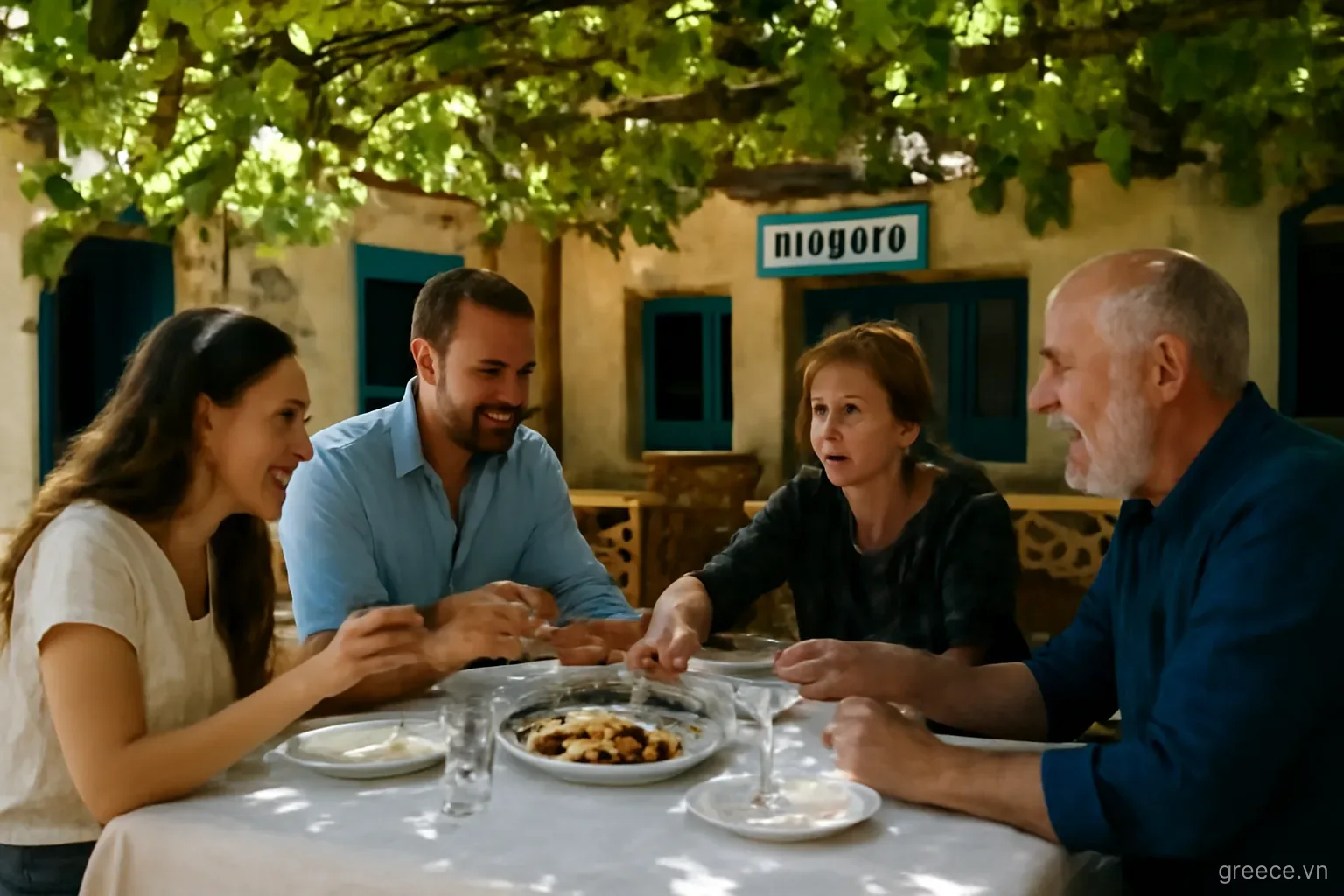
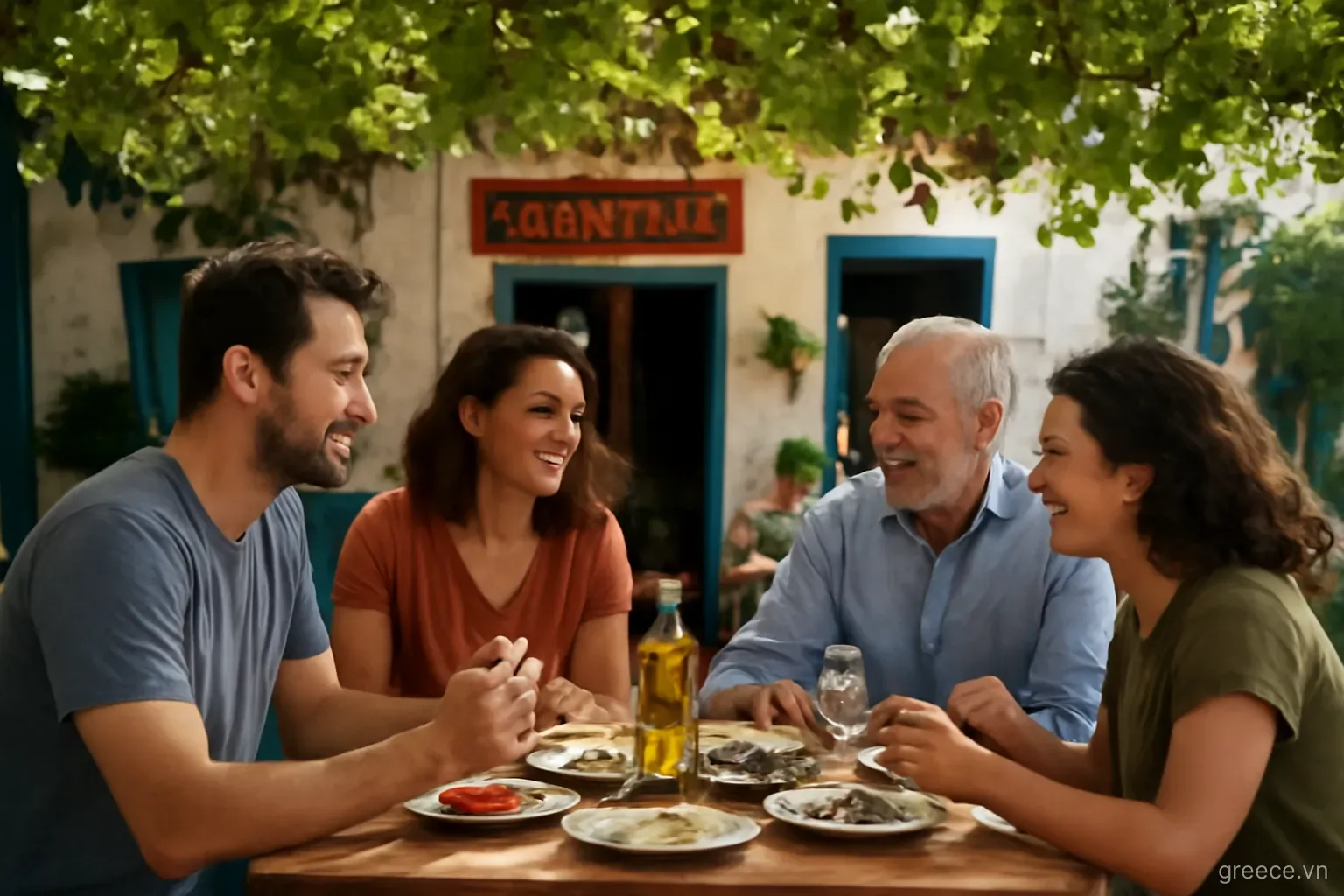
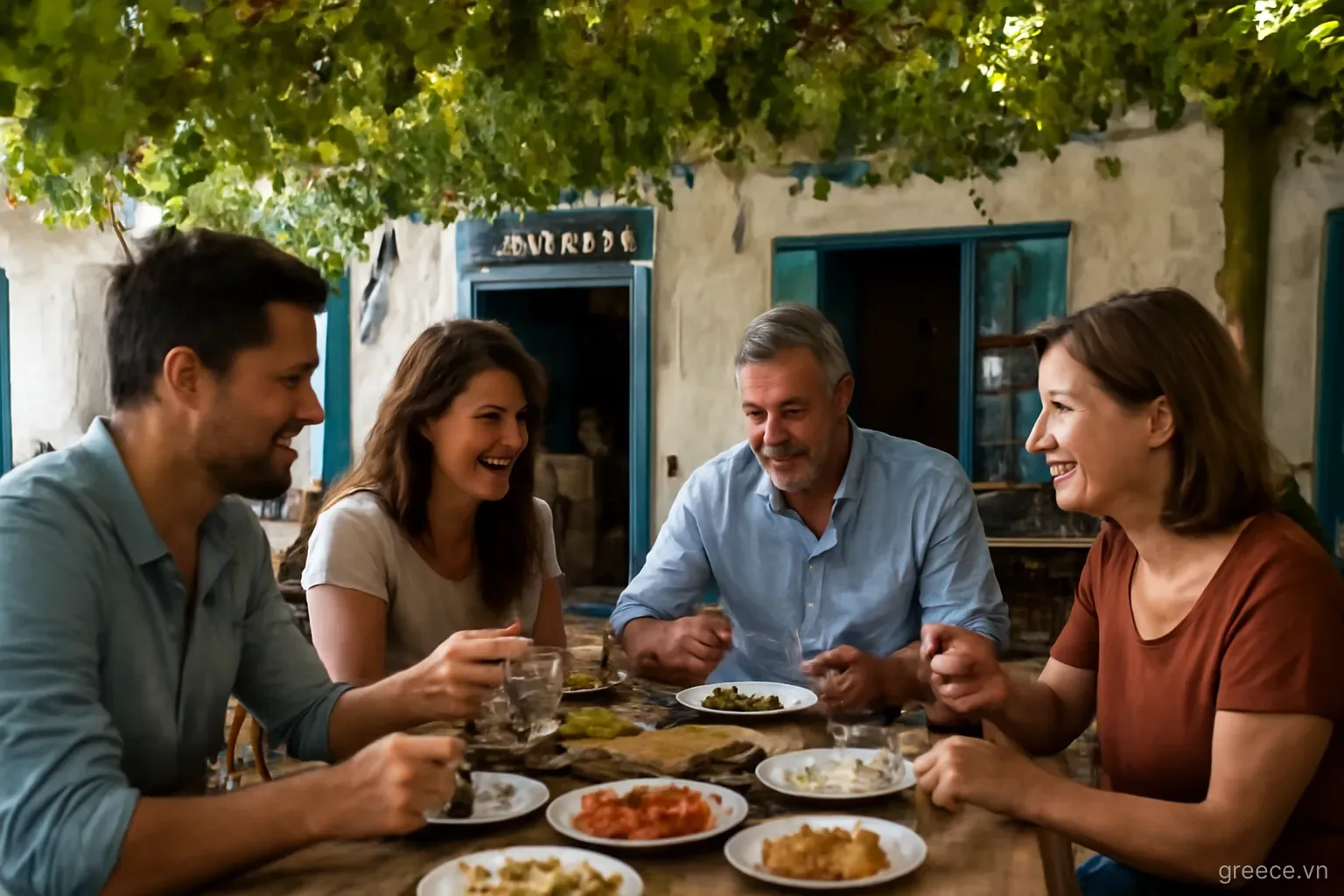
Greeks value family, hospitality (philoxenia) and long shared meals.
Traditional festivals
Greek uses its own alphabet and is one of the oldest languages still spoken.
- Wine and ouzo are traditional drinks at gatherings.
- Greece is the cradle of philosophy, democracy, drama and the Olympic Games.
- Most of the population follows Greek Orthodox Christianity, shaping festivals and daily life.
- Orthodox Easter is the most important celebration of the year.
- UNESCO sites such as the Acropolis, Delphi and Olympia are spread across the country.
Holiday customs
Traditional music features the bouzouki, and the sirtaki dance is familiar to visitors.
Greece lies in Southeastern Europe at the southern tip of the Balkan Peninsula on the Mediterranean.
The capital, Athens, is the political and economic hub and the birthplace of Western democracy.
Weddings and family rites
Greece has a population of about 10.4 million, most following Greek Orthodox Christianity.
The official language is Greek, while English is widely spoken in tourism and larger cities.
Greece counts more than 6,000 islands and islets, of which roughly 200 are inhabited.
Traditional dress
It has a Mediterranean climate with hot, dry summers and mild, sunny winters.
A European Union member since 1981 and part of the eurozone, Greece uses the euro (EUR).
Greece belongs to the Schengen Area, allowing free movement across much of Europe.
Experiences for visitors
Vietnamese travellers can obtain a short-stay Schengen visa to visit Greece.
Island-hopping is mainly by ferry, so book ahead in high season.
Street food such as souvlaki and gyros is popular and affordable.
Need a tailored roadmap?
Viking Global Group walks with you from paperwork to settlement. Call +849.219.219.88 or email [email protected] for a free consultation.
Related articles
- School and university in Greece: choosing the right stage
- Seasons in Greece: when to go
- Culture & People
Frequently asked questions
How is Easter celebrated in Greece?
Easter is the most important Greek holiday. Holy Week features processions and services, and at midnight on Holy Saturday people gather at churches with candles for the Resurrection, followed by fireworks. On Easter Sunday families roast lamb and crack red-dyed eggs.
What festivals take place in summer?
Summer is full of village festivals for patron saints, with music, dancing and food outdoors. Cultural festivals stage performances in ancient theatres such as Epidaurus, and the mid-August Dormition of the Virgin Mary is a major holiday when many Greeks return home.
What happens during Carnival season?
Carnival, or Apokries, precedes Lent, with its largest celebrations in Patras, where parades, costumes and street parties fill the city. Clean Monday marks the start of Lent, when families fly kites and enjoy fasting foods outdoors.
Which traditions mark autumn and winter?
Autumn brings Ochi Day, commemorating resistance during wartime, and harvest festivals for grapes and olives. Winter includes Christmas, New Year with the vasilopita cake hiding a lucky coin, and Epiphany, when priests bless the waters of seas and rivers.
How can visitors join Greek festivals respectfully?
Check dates in advance, since Easter moves each year, book early for major holidays, dress appropriately for religious services and follow local customs. Many shops and services close on key holidays, so plan meals and transport accordingly.
Information is for reference and may change under the latest official policy. Please contact us for current regulations.