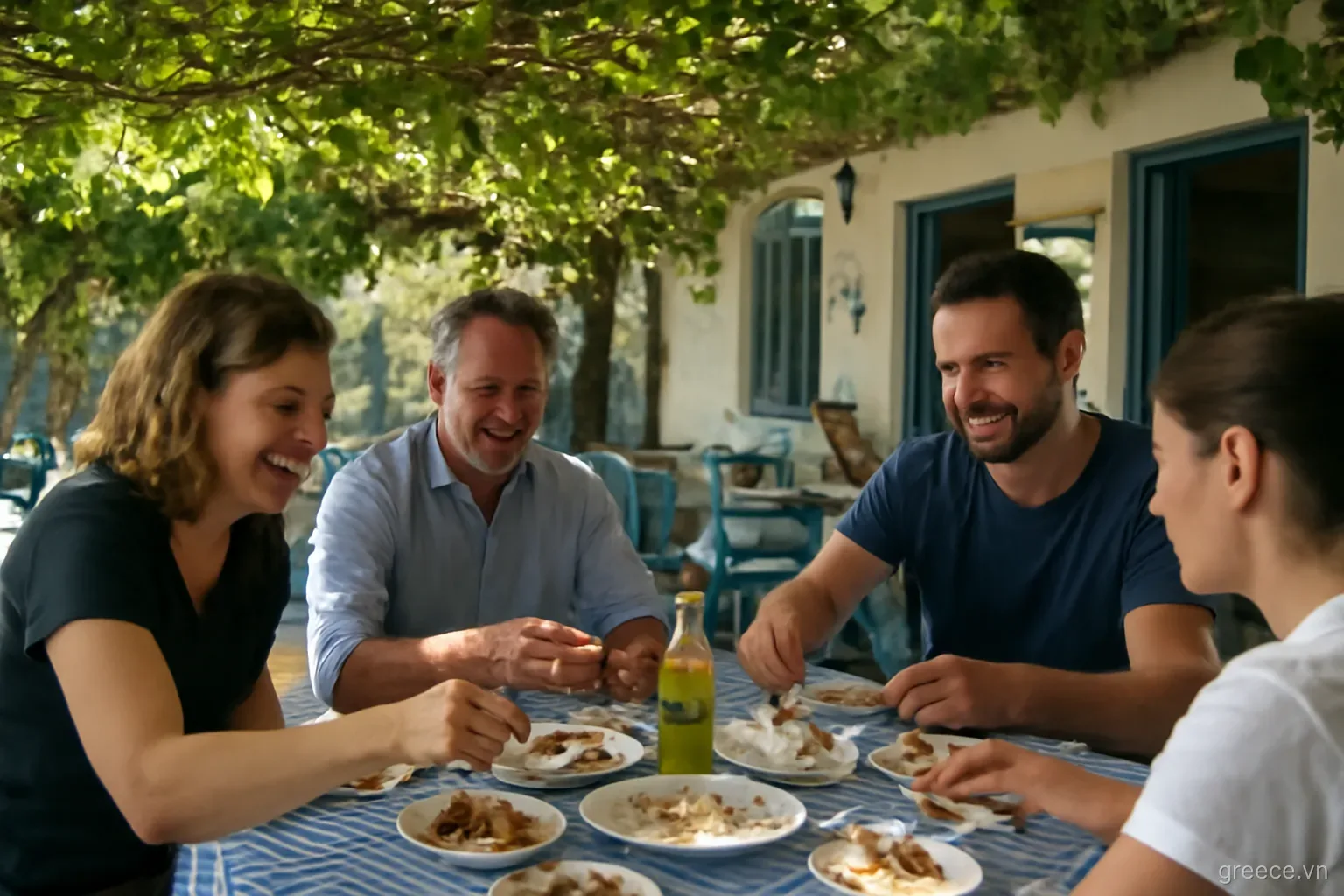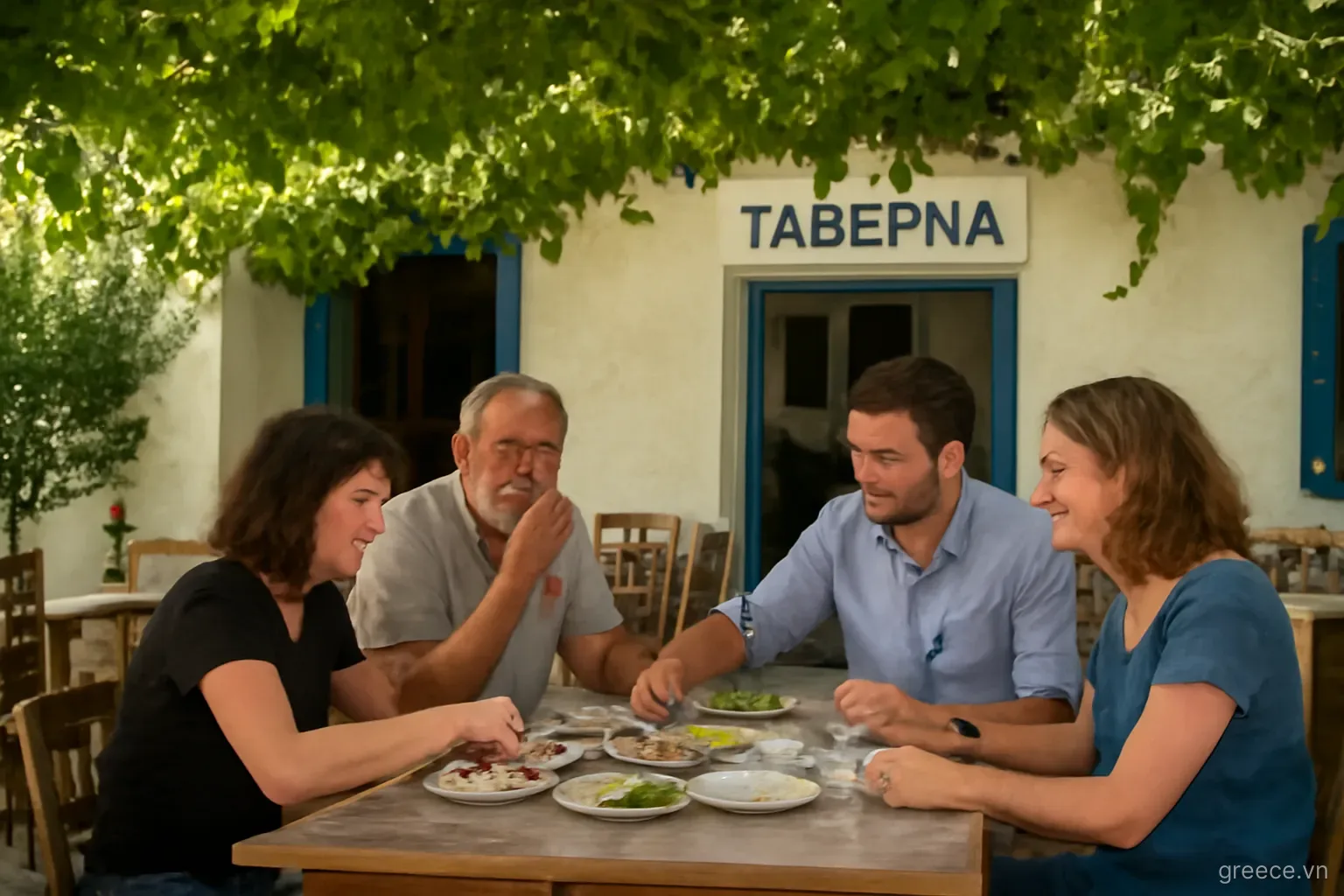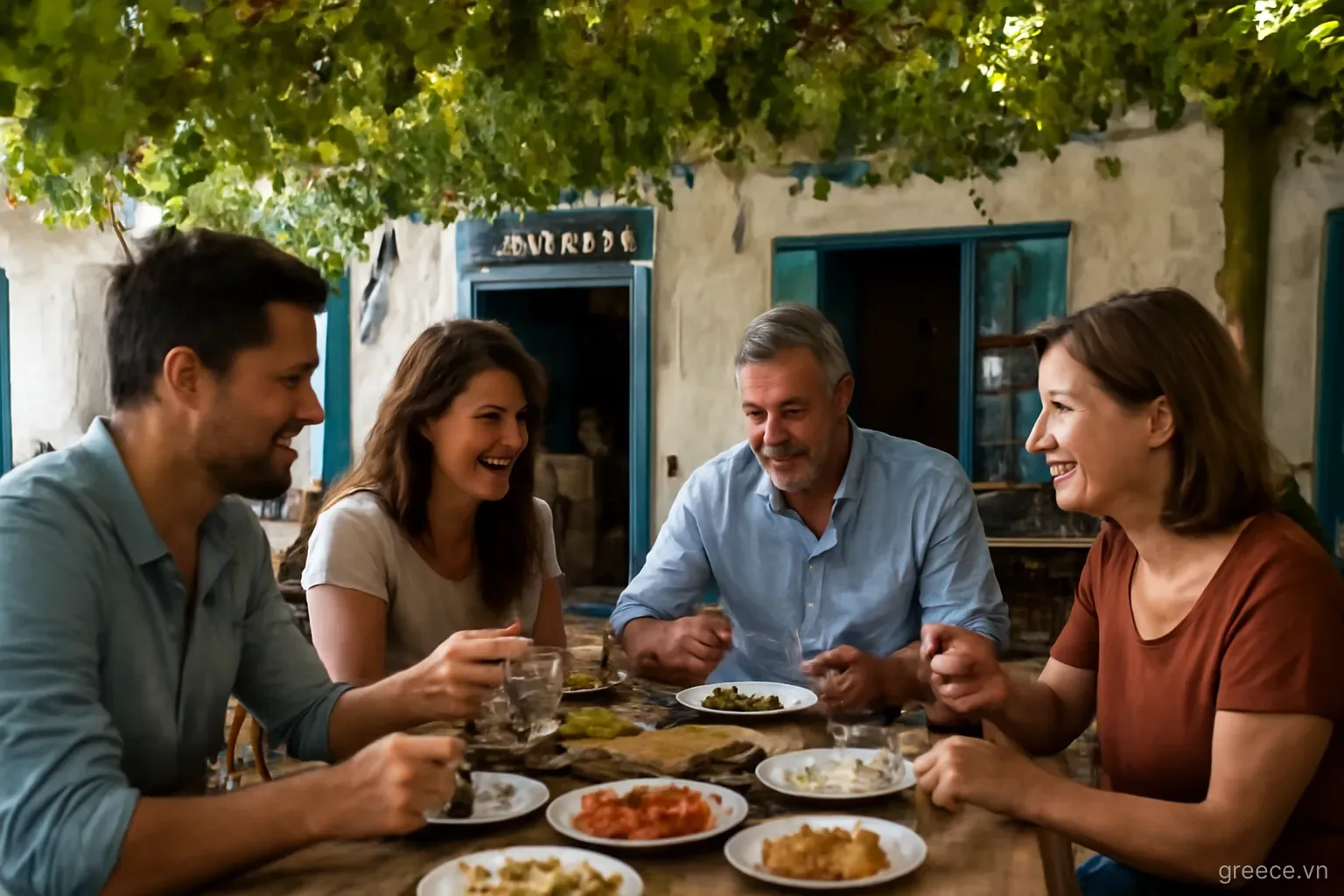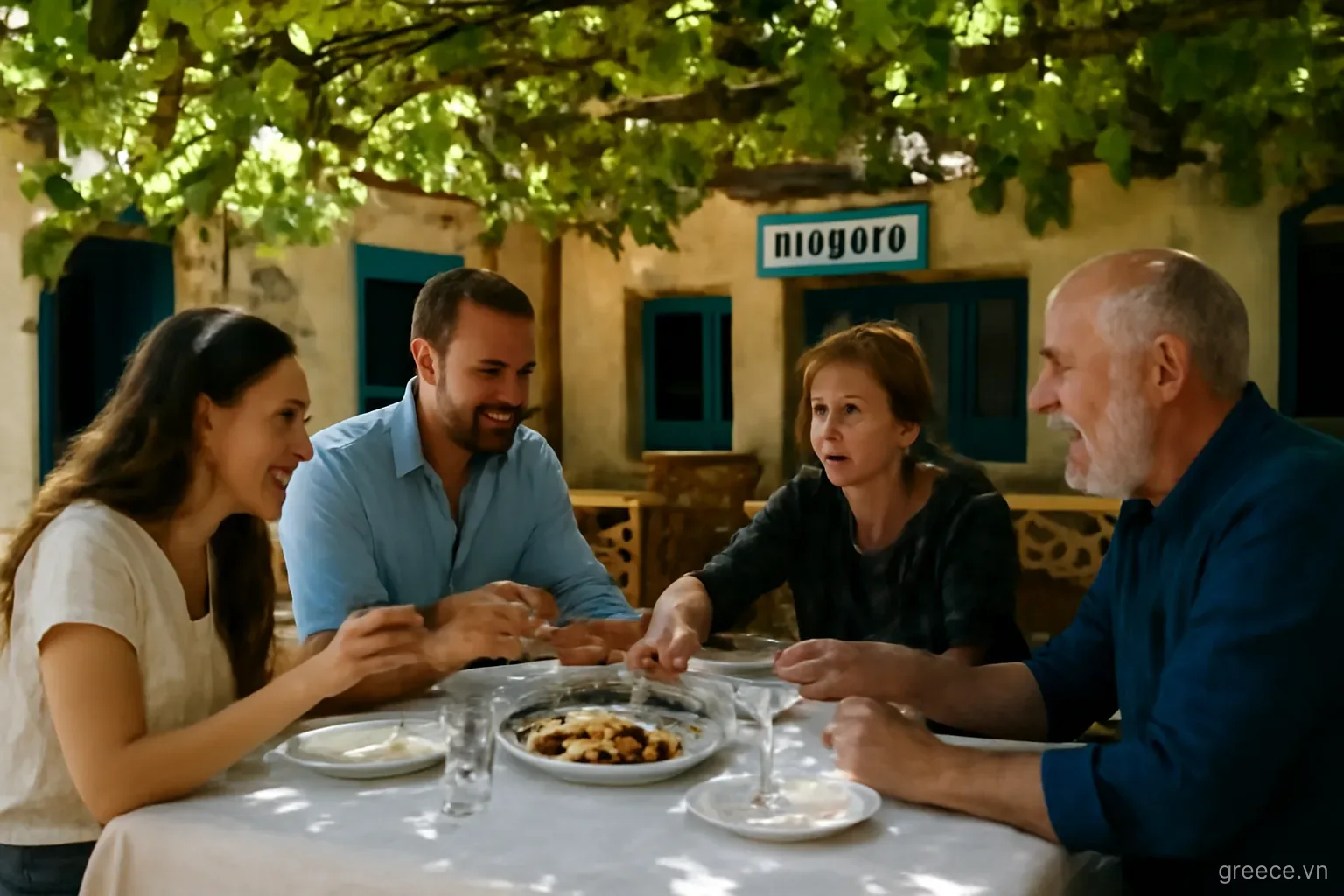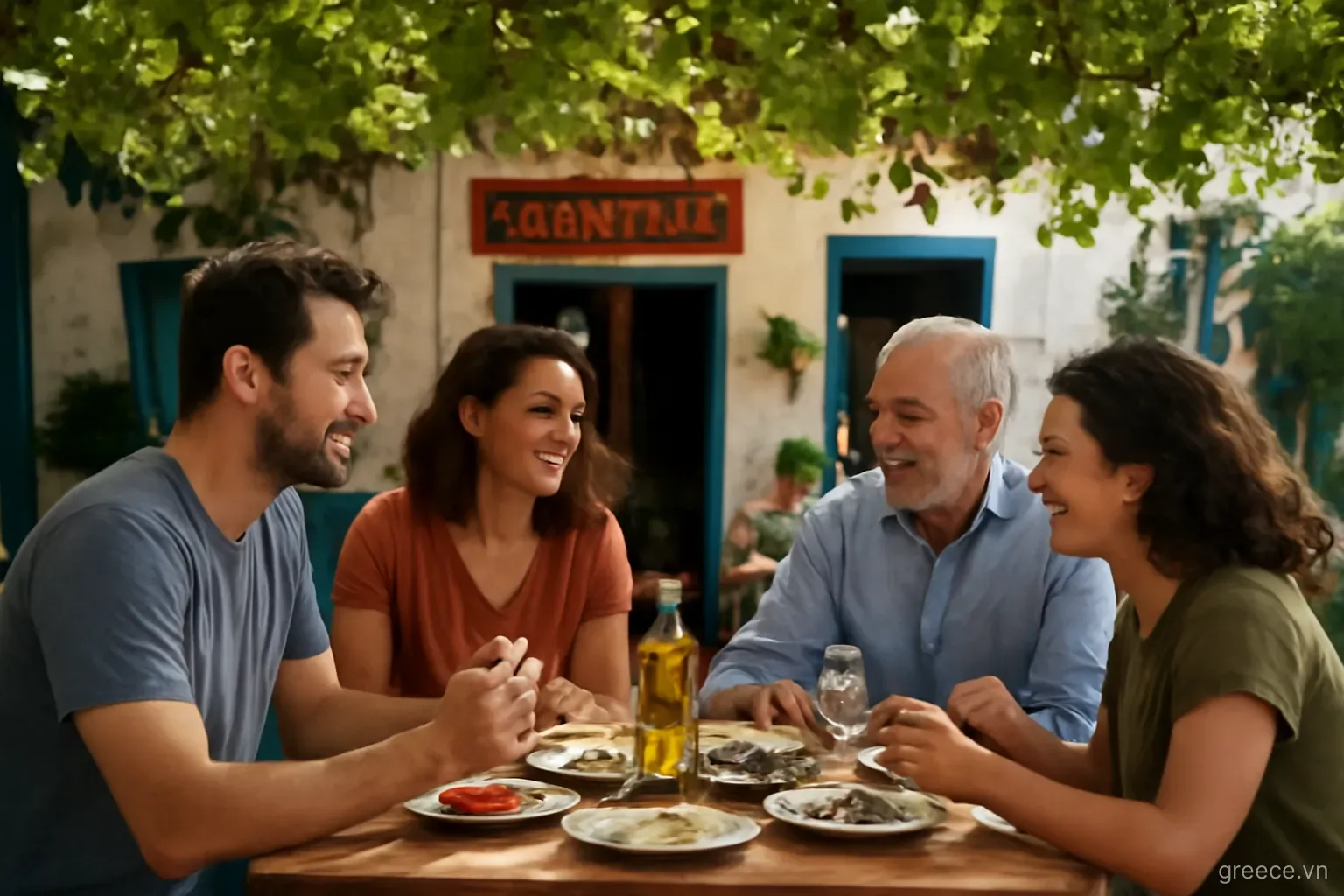
Beyond work, a rich social life makes Greece worth living in.
- A European Union member since 1981 and part of the eurozone, Greece uses the euro (EUR).
- Greece belongs to the Schengen Area, allowing free movement across much of Europe.
- Its coastline stretches about 13,600 km, among the longest in the world.
Meteora astonishes with monasteries perched atop towering rock pillars.
The best time to visit is late spring and early autumn, avoiding the hot, crowded peak summer.
Sport and outdoors
Vietnamese travellers can obtain a short-stay Schengen visa to visit Greece.
Island-hopping is mainly by ferry, so book ahead in high season.
Street food such as souvlaki and gyros is popular and affordable.
Music and arts
Traditional music features the bouzouki, and the sirtaki dance is familiar to visitors.
Greek uses its own alphabet and is one of the oldest languages still spoken.
Wine and ouzo are traditional drinks at gatherings.
Cafés and nightlife
Santorini is famous for whitewashed, blue-domed houses overlooking the Aegean Sea.
- Athens holds the Acropolis and the Parthenon, symbols of ancient Greek civilisation.
- Mykonos draws visitors with its beaches, windmills and lively nightlife.
- Crete, the largest island, is rich in Minoan heritage and beautiful beaches.
- Greece lies in Southeastern Europe at the southern tip of the Balkan Peninsula on the Mediterranean.
- The capital, Athens, is the political and economic hub and the birthplace of Western democracy.
Community and networking
Rents outside central Athens are often softer than in many Western European cities.
The public health system (ESY) serves residents, though many add private insurance.
Residence holders must register a tax number (AFM) and a social-security number.
Work-life balance
Public transport in Athens includes a convenient metro, buses and trams.
Fresh food, sunny weather and a relaxed pace are big pluses.
The Vietnamese community is small but present in Athens.
Need a tailored roadmap?
Viking Global Group walks with you from paperwork to settlement. Call +849.219.219.88 or email [email protected] for a free consultation.
Related articles
- Travelling Greece on a budget and safely
- Property investment in Greece: return potential
- Culture & People
Frequently asked questions
How do Greeks spend their leisure time?
Greeks socialise in cafés and tavernas, go to the beach, follow football and basketball, attend village festivals, enjoy live music and take evening strolls. Social life is vibrant and late, and summer open-air cinemas are a much-loved tradition.
Which sports are most popular?
Football and basketball have the largest followings, with passionate supporters of major clubs. Swimming, sailing, running and hiking are also popular. As the birthplace of the ancient Olympic Games, Greece has a long sporting tradition.
What cultural life is available?
Greece offers museums, galleries, theatres and music and drama festivals, including summer performances in ancient theatres. Athens has a lively contemporary arts scene, and smaller towns hold traditional cultural events around religious feast days.
What role does community life play?
Neighbourhoods, churches, sports clubs and cultural associations provide strong community ties. Name days, weddings and baptisms bring people together, and many social events are open to newcomers who show interest and respect for local customs.
How can expats build a social life in Greece?
Join sports clubs, language classes, hiking groups and volunteer organisations, attend international community events in Athens and Thessaloniki, and invite colleagues or neighbours for coffee. Greeks value personal connections, and invitations are often reciprocated warmly.
Information is for reference and may change under the latest official policy. Please contact us for current regulations.